
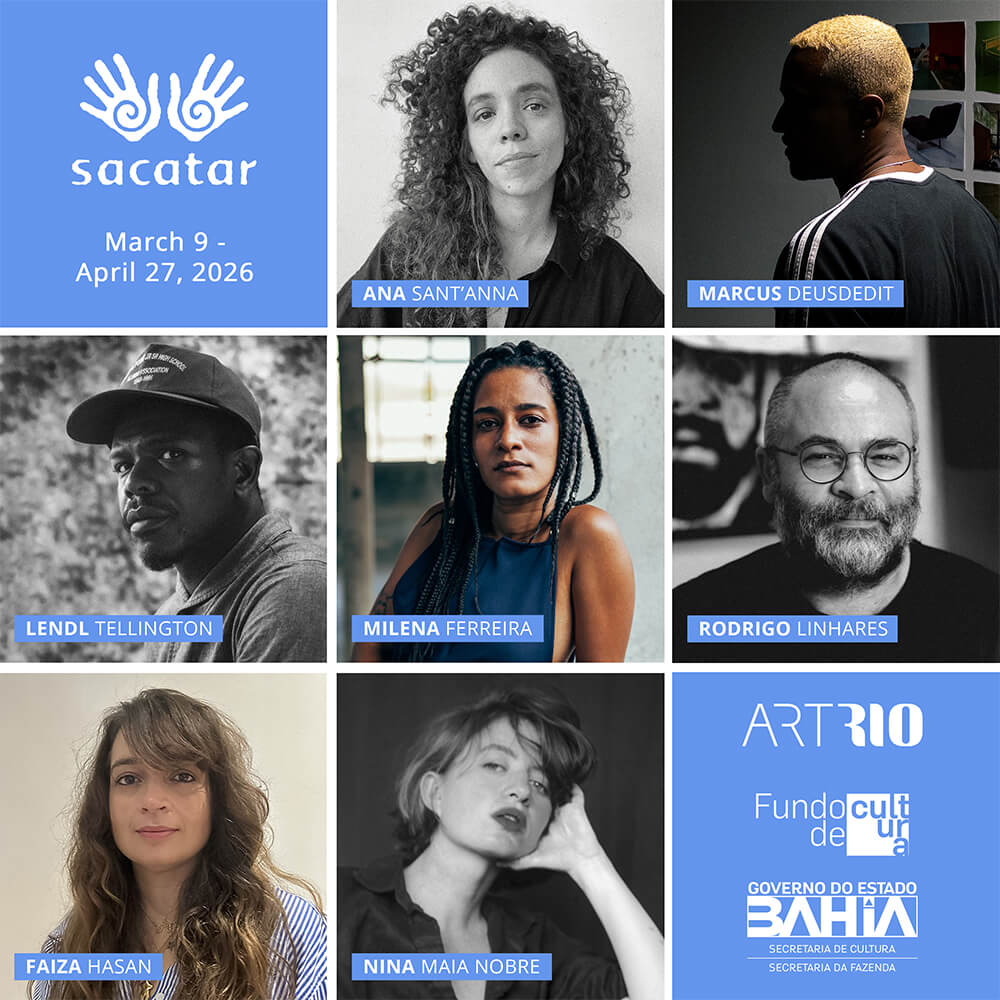
A growing concern with the relationship between people and place shapes Sacatar’s first group of 2026. These artists examine how people engage with built spaces, natural environments, and the histories and memories that make up a territory. Through their work, these questions unfold through themes of belonging, precarity, displacement, memory, environmental impact, race, and class.
Salvador-based artist Milena Ferreira explores an “aesthetics of ruin,” examining memory, material transformation, and the shifting territories of the Bay of All Saints. She joins the residency with support from the Secretariat of Culture of the State of Bahia (SECULT-BA), becoming the tenth artist to come to Sacatar through this partnership.
Painter, photographer, and installation artist Ana Sant’Anna, from Bahia, engages with the landscape as a way of connecting inner perception with the external environment. Writer Faiza Hasan, a British-Pakistani author, examines the body as a vessel of memory and generational trauma, in a new novel that brings themes of illness, motherhood, and migration.
Working across film, photography, and installation, filmmaker Lendl Tellington, from the USA, explores the tension between official histories and collective memory while developing a documentary centered on Senegalese artist Younousse Seye.
Visual artist Nina Maia Nobre approaches landscape as both poetic and political, focusing on how roads on land and sea impact Brazilian memory and identity. Photographer Rodrigo Linhares works through portraiture, archives, and long-term listening processes, investigating the ties between people, territory, and oral histories.
Finally, Brazilian multidisciplinary artist Marcus Deusdedit – who arrives in Itaparica through a partnership between Sacatar and ArtRio, as the winner of the 2025 FOCO ArtRio Prize – develops multimedia installations that interrogate the relationships between design, architecture, and racialized aesthetics.
These artists will be in residence at Sacatar from March 9 to April 27, 2026.
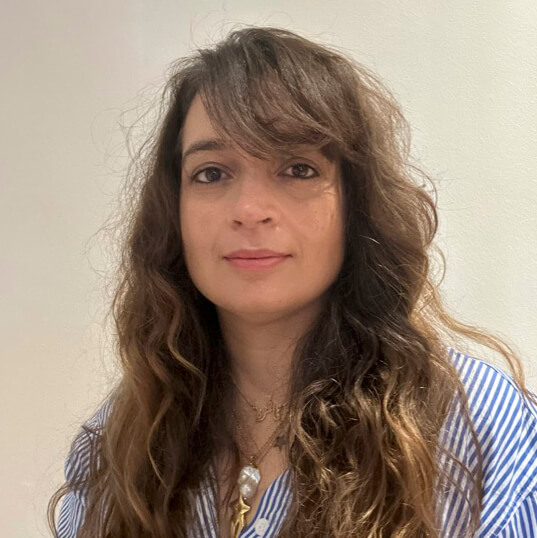
Faiza Hasan
Literature
Pakistan >UK
Faiza Hasan is a British-Pakistani writer whose professional path has moved across journalism, cuisine, and literature. Before dedicating herself fully to fiction, she worked as a journalist for publications in the United States and Pakistan, covering human rights, politics, the environment, and education. She later trained in French cuisine at Le Cordon Bleu, working in the restaurant world before returning to writing, but this time with fiction. Faiza holds an MA in Journalism from Stanford University and an MA in Creative Writing from the University of Cambridge.
Living with a chronic pain condition, much of Faiza’s work explores life-altering events like illness and motherhood, and how these transformations change the body, making it unfamiliar and unreliable. Focusing on the female body and its meaning within contemporary culture and society, she examines gendered roles, power dynamics, and identity.
During her residency, Faiza will be working on a novel that looks at the female body as a vessel, a keeper of family stories and generational trauma. The novel explores concepts of motherhood and motherland, as well as belonging and othering, which are critical to Faiza as a minority woman, mother, and immigrant.
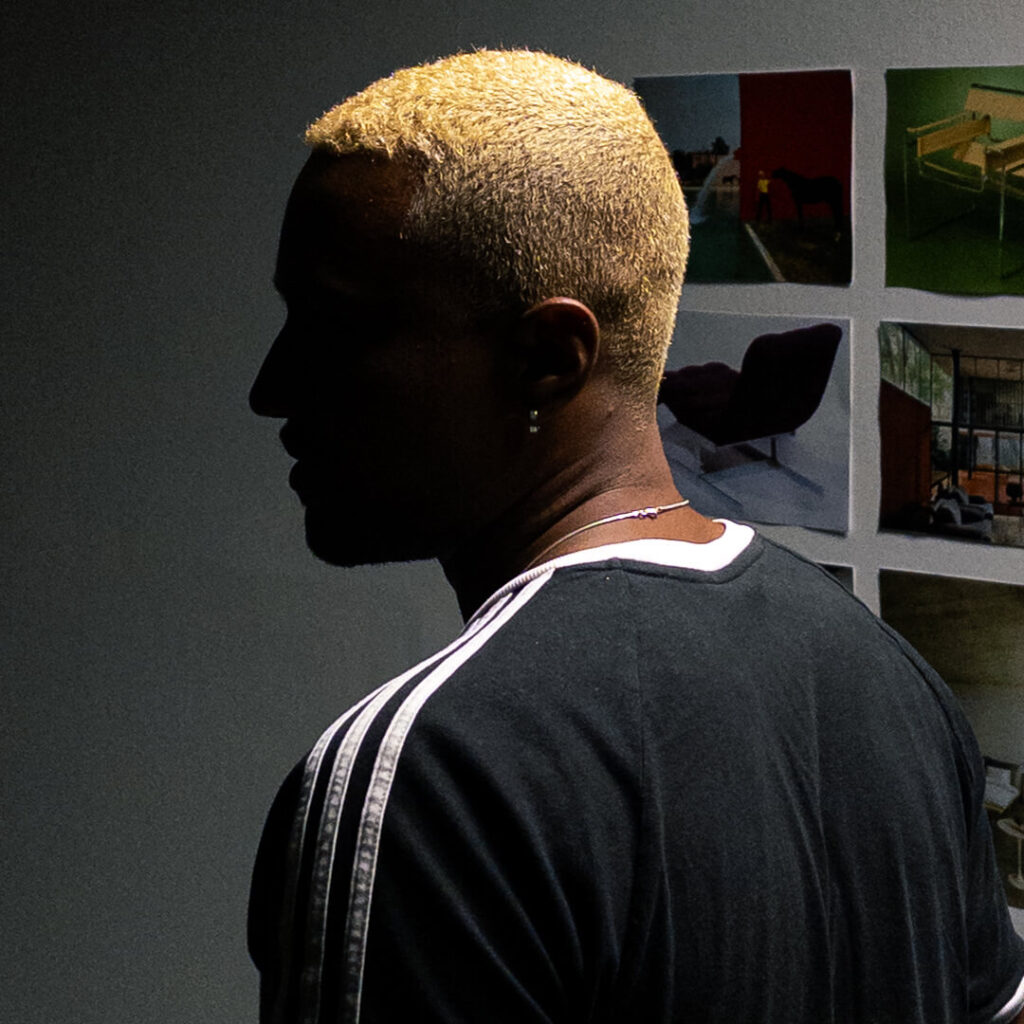
Marcus Deusdedit
Multidisciplinary Arts
Brazil
Sacatar + ArtRio Partnership / FOCO Award
Marcus Deusdedit is a multidisciplinary artist from Belo Horizonte, Brazil. He arrives in Itaparica through the Sacatar + ArtRio partnership as the recipient of the FOCO ArtRio Award 2025.
With a background in architecture, Marcus works across different media, from photography to multimedia installations. His practice operates at the intersection of art, architecture, and design. He looks to displace the aesthetic codes of these fields and to highlight their distortions and tensions when challenged with socioeconomic and racial questions.
His work investigates how the creation of images and spaces informed by the consumption patterns of an upper-middle-class whiteness becomes strained when confronted with peripheral aesthetics and diasporic and racialized contexts. As such, his projects focus on the relationship between body, territory, and representation.
Marcus has participated in major exhibitions such as the 14th Mercosur Biennial and the 38th Panorama of Brazilian Art. In 2025, he was awarded the Prince Claus Seed Award.
During his residency at Sacatar, he intends to develop multimedia installation projects using technical drawing and 3D modeling as his primary tools of experimentation.
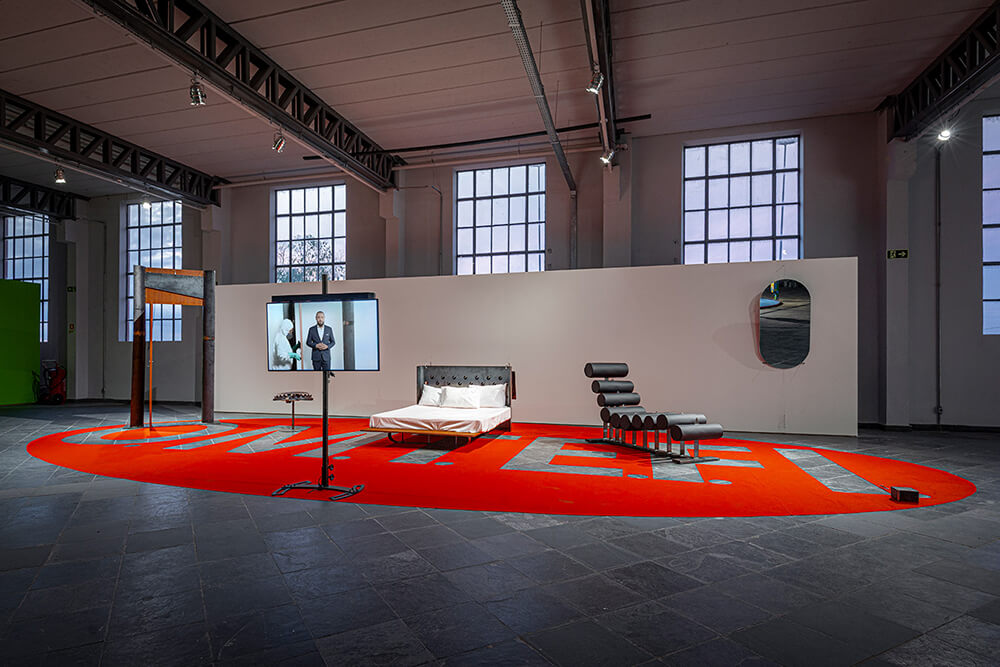
Photo Credit: Anderson Castor
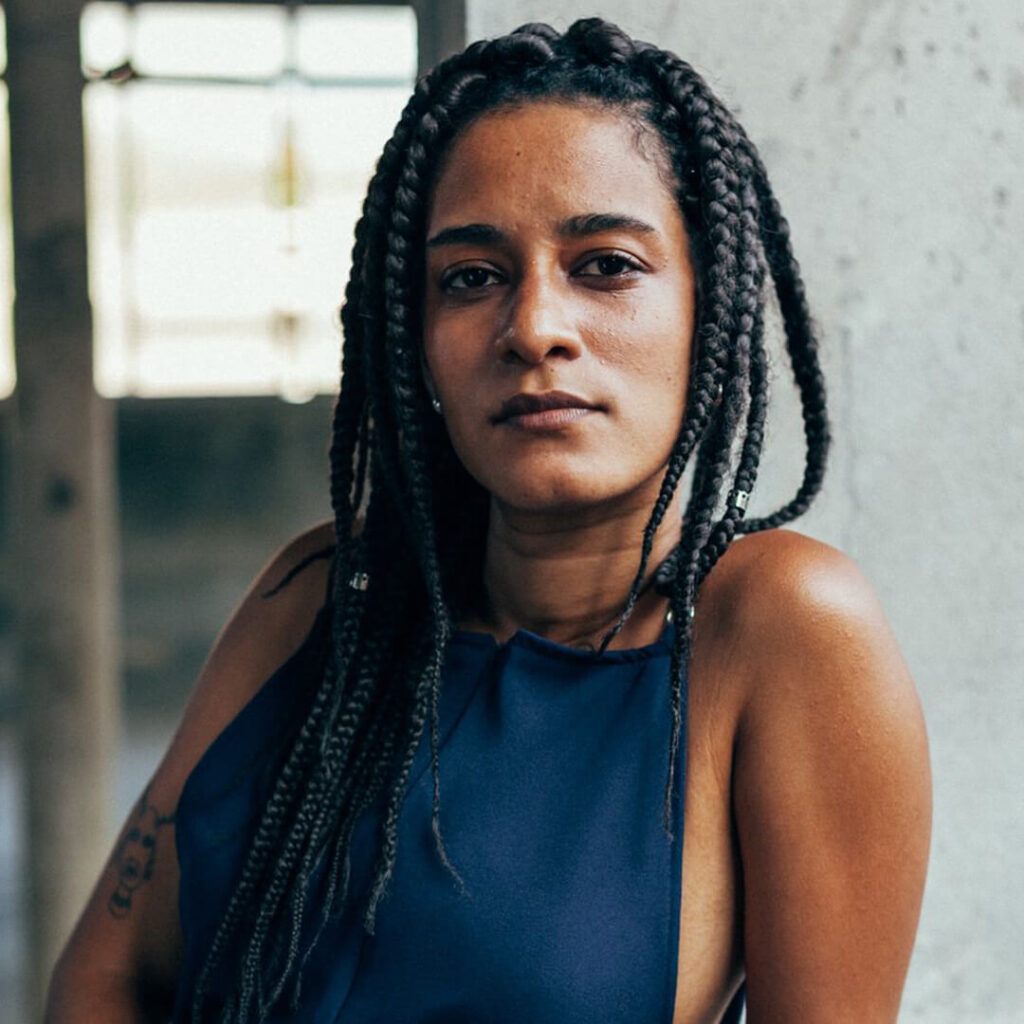
Milena Ferreira
Visual Arts
Brazil
Sacatar + SECULT-BA Partnership
Milena Ferreira is a visual artist from Salvador, Bahia. Milena’s arrival at Sacatar is an important milestone: she is the tenth artist from Bahia whose residency is supported by the Secretariat of Culture of the State of Bahia (SECULT-BA), within the framework of the Bahia Mundo project.
The throughline in her work is what she refers to as the “aesthetics of ruin”, reflecting on memory, belonging, and the construction of collectivities, territories, and identities. Through printmaking in dialogue with painting, sculpture, and installation, her works engage with corroded materials and fragile structures, using matter not as a passive support but as a territory of contact, resistance, and negotiation.
Milena is currently a master’s student in the Graduate Program in Visual Arts at the Federal University of Bahia. She is a member of the research group at the Instituto Práticas Desobedientes (“Institute of Disobedient Practices”) and the creator of CAB – Circuito de Arte em Boteco (“Dive Bar Art Circuit”). Her main exhibitions include the solo shows Vestígios at RV Cultura e Arte Gallery; Habitar é obra at Centro Cultural São Paulo; and Flecha at the Museum of Contemporary Art of Bahia (MAC Bahia). Prior to Sacatar, she was an artist-in-residence at Centro Cultural do Cariri (Ceará) through the Pivô–Conexão program.
During her residency at Sacatar, Milena will work on a book-object-memory project investigating the material and symbolic transformations of the island of Itaparica and the Bay of All Saints.
Milena Ferreira’s residency at Sacatar is supported by SECULT-BA through the Support for Ongoing Actions program of the Culture Fund of the Bahia State Department of Culture.

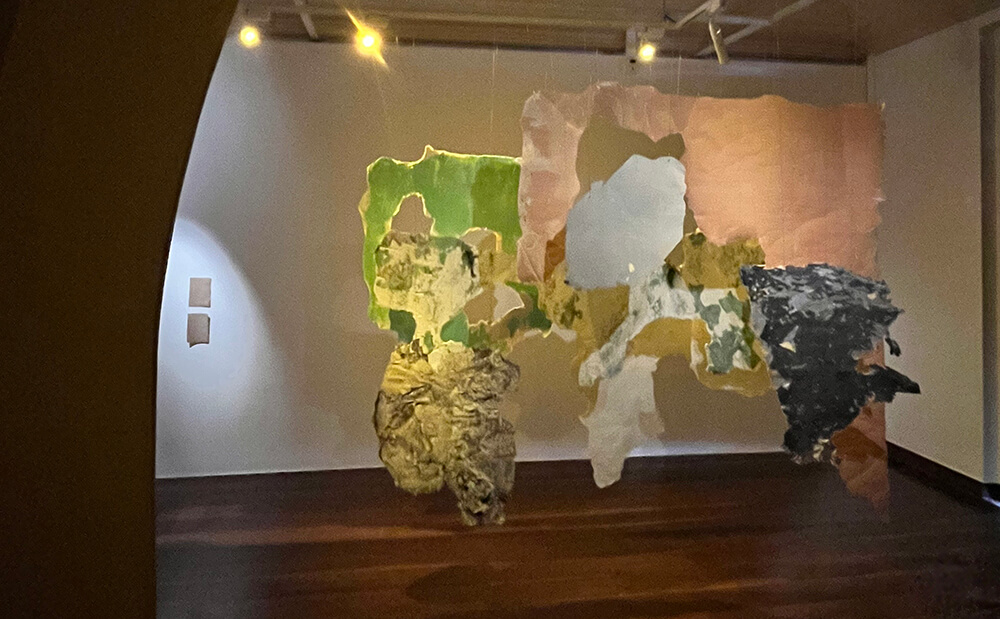
Installation (layers of paint, acrylic paste, and plaster)
2x2m
Credit: personal archive
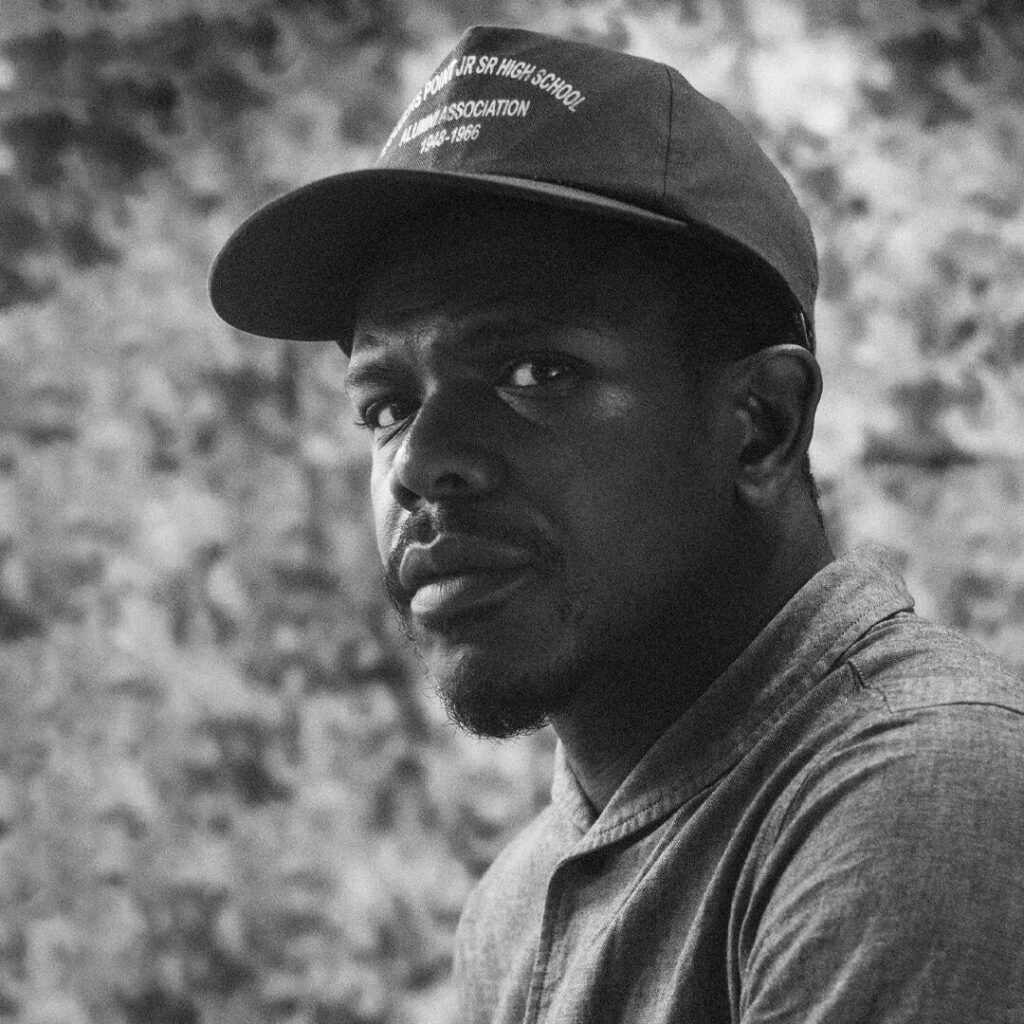
Lendl Tellington
Cinema
USA
Lendl Tellington is a filmmaker and visual artist from the USA working across cinema, photography, and installation. His practice has been recognized by the Smithsonian National Portrait Gallery through the Outwin Boochever Portrait Competition and supported by the Sundance Institute and the Firelight Media Documentary Lab.
Lendl’s work remixes the boundaries between official histories and collective memory. Moving fluidly between documentary and narrative film, photography, and installation, he uses fiction and non-fiction to interrogate and expand each other. Employing minimal equipment, he develops intimate collaborations in which participants actively shape their own representation. The resulting works elevate everyday gestures and spaces, revealing layers of inherited knowledge and meaning while encouraging communities to claim authorship over their narratives.
During his residency at Sacatar, Tellington will advance the post-production of The Age of All Women: The Becoming of Younousse Seye, a feature documentary centered on Younousse Seye, widely recognized as Senegal’s first female contemporary artist and a pioneering actress. After decades away from galleries and cinema, Seye confronts the structures that shape the remembrance of Black women artists as renewed attention emerges around her work.
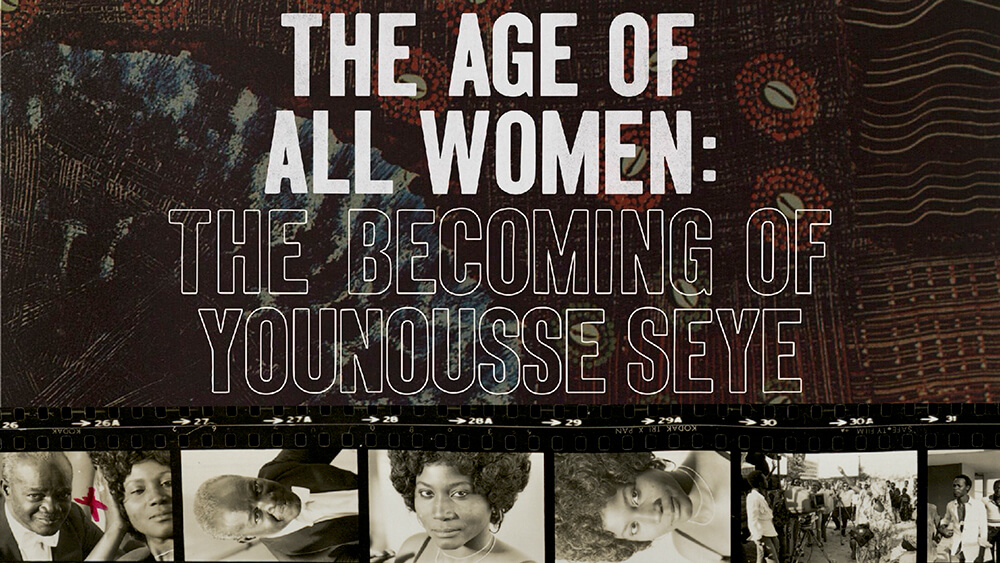
film and art catalogue (in production)
Following the career of Younousse Seye, Senegal’s first female contemporary artist, this project consists of a film, art catalogue and exhibition which examine the contingencies that govern the remembrance of Black women artists.
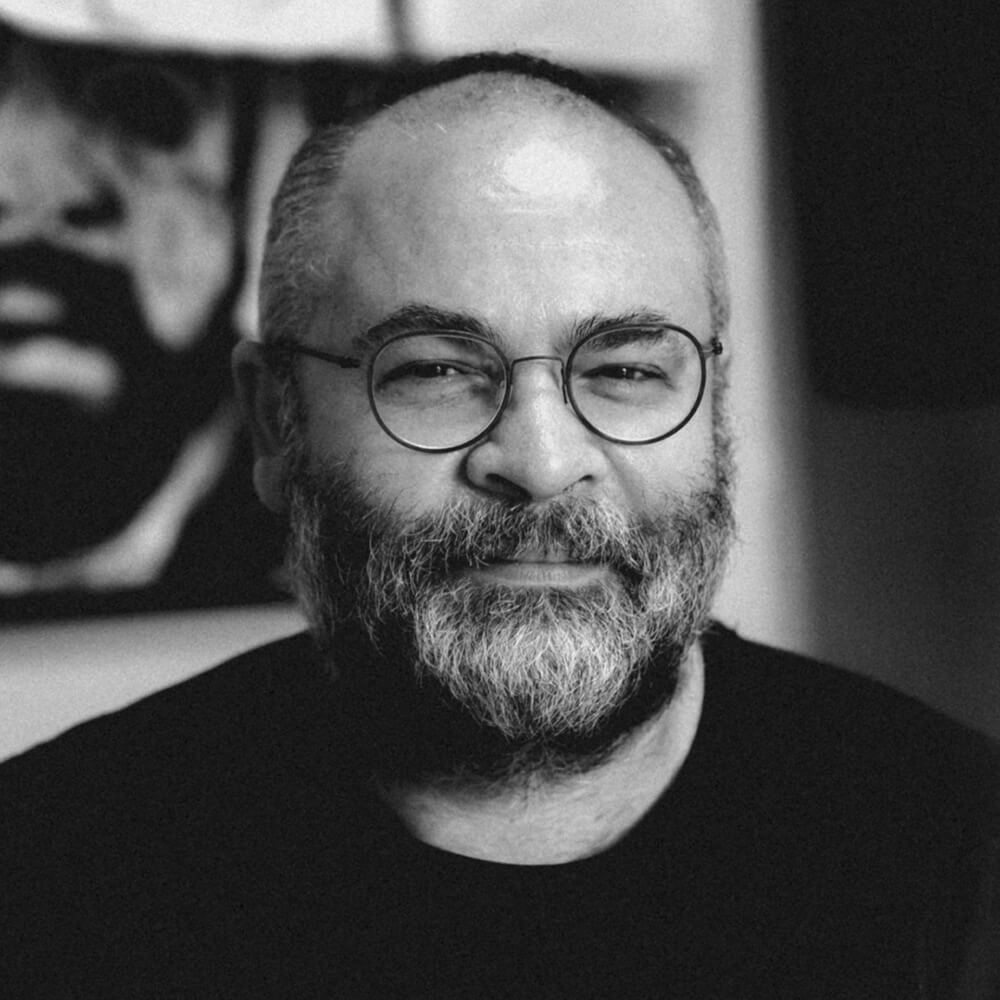
Rodrigo Linhares
Photography
Brazil
Rodrigo Linhares is a visual artist and photographer. Born in Bento Gonçalves (Rio Grande do Sul, Brazil), he currently lives and works in the Maraú Peninsula (Bahia), where he runs the residency program Teteia Residência Artística e Centro de Memória, which brings together photography, graphic processes, and field research.
His practice brings together portraiture, memory, and territory through processes of listening and long-term engagement. Through photography and graphic processes—both digital and analog—Rodrigo explores archives, oral narratives, and landscapes as living materials. His focus is on sensitive and ethical modes of representation, attentive to the relationships between people, the environment, and sociocultural contexts.
Rodrigo has held solo exhibitions at the Museum of Contemporary Art of the University of São Paulo (MAC-USP), the Ribeirão Preto Museum of Art (MARP), and Lux Espaço de Arte / Edifício Vera, among others. He has received awards in salons such as SARP and SAC Piracicaba, and has been nominated for the PIPA Prize (2018) and the Diário Contemporâneo Photography Prize (2017). He has also participated in residencies including Kaaysá Art Residency and Mirante Xique-Xique.
During his residency at Sacatar, he plans to deepen his research on portraiture, memory, and territory through exchanges with local communities and interactions with fellow residents, using photography and graphic experimentation as investigative tools.
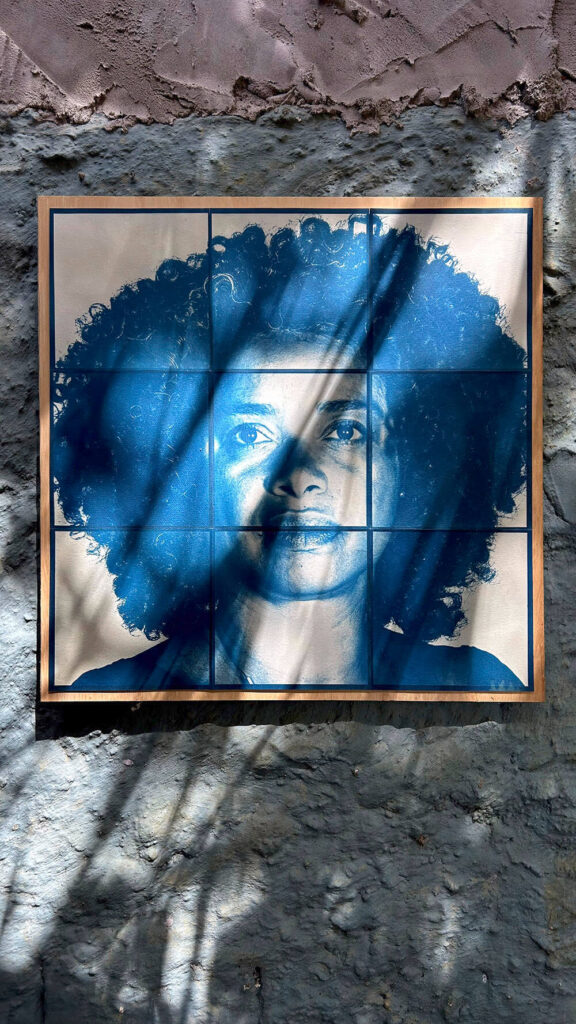
“Nancy”
Series Os Algodões em Azul (The Cottons in Blue)
Project Retratado Retratante (Portrayed Portrayer)
Cyanotype on Hahnemühle Cold Press 300 g/m² paper
52.5 × 52.5 cm
Recorded during the exhibition “Os Algodões em Azul,” presented at Bar da Toinha, between December 6 and 14, 2025.
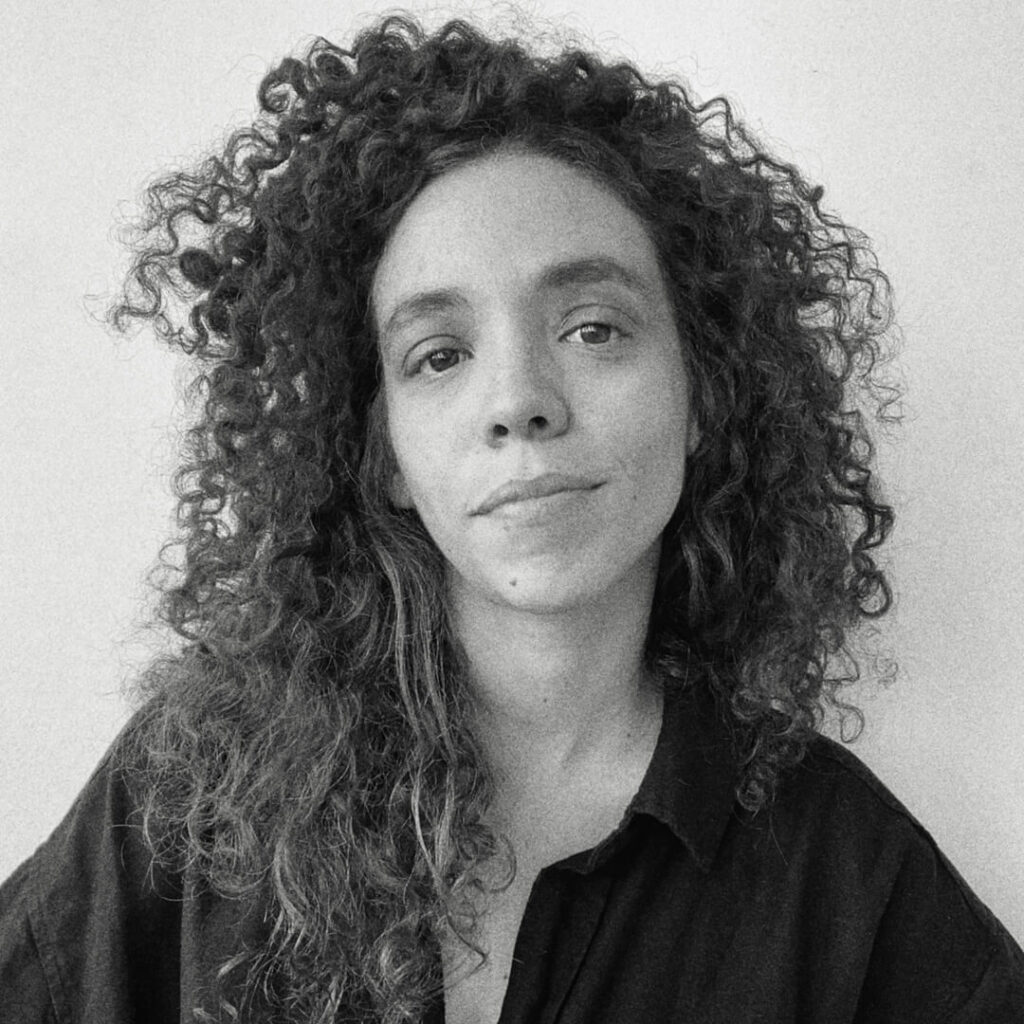
Ana Sant’Anna
Visual Arts
Brazil
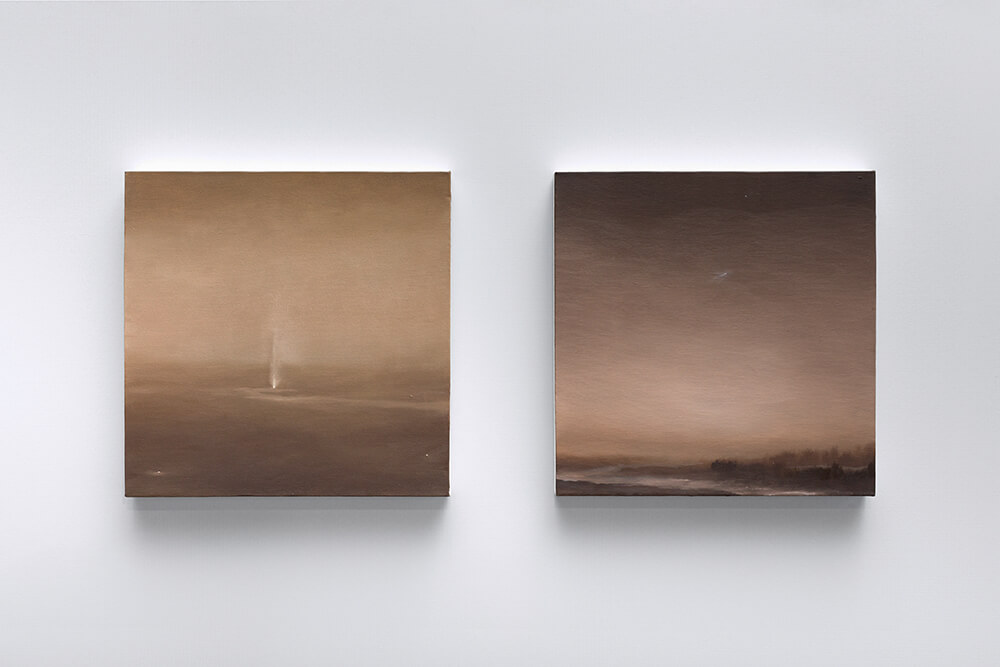
Ana Sant’Anna is a visual artist from Salvador, Bahia. Although best known for her paintings, her practice also includes photography and installation. Reflecting on themes such as luminosity, transience, and non-linear time, her work emerges from the direct engagement with the landscape, articulating an interplay between inner and outer worlds.
Ana holds a Master’s degree in Communication and Semiotics from PUC-SP and a Bachelor’s degree in Museology from UFBA. Among her main exhibitions are the solo show Maré (ArteFasam, São Paulo) and the duo exhibition Entremarés (Galeria Marília Razuk, São Paulo). She has also participated in group exhibitions such as Telúricos (Galeria Nara Roesler, São Paulo) and Construção no Vento (Claraboia and Flexa Galeria, São Paulo). Before arriving at Sacatar, Ana Sant’Anna was also a resident at Labverde (Amazonas) and Pororoca + Mirante Xique-Xique (Bahia).
During the residency, Ana intends to investigate tides, variations in luminosity, and the passage of time, aiming to develop a series of small-format paintings, as well as works on paper and photography. She seeks to explore how the context of Sacatar can shift her pictorial gesture and expand her perception of landscapes.
Nina Maia Nobre
Visual Arts
Brazil
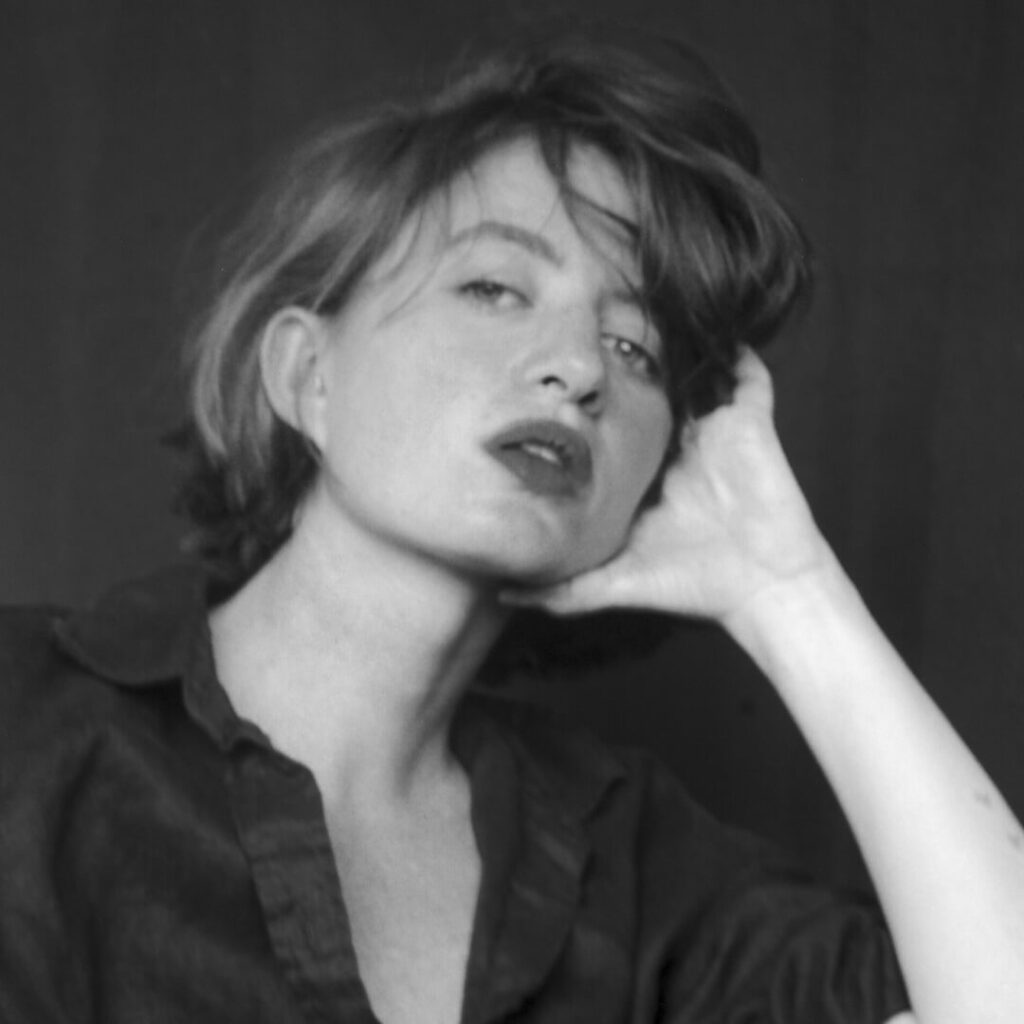
Nina Maia Nobre is a visual artist from Brasília, Brazil. In her work, the landscape is conceived as a poetic and political construction, developed through objects and materials drawn from everyday life. One example is her paintings on raffia sacks, a material typically used to store agricultural and maritime products. Her practice also moves through language, sculpture, and installation, exploring the relationships between color, matter, and territory.
Nina holds a master’s degree in Visual Arts from the University of Brasília. Since 2017, she has participated in exhibitions and awards within the Brazilian art circuit, having won the 18th Jataí Contemporary Art Salon (GO) and taken part in exhibitions such as the 8th Arte Londrina (PR) and the 1st Visual Arts Salon at Galeria Ibeu (RJ). She has also participated in exhibitions including Rumor at Caixa Cultural Brasília; Pintura como Objeto at Galeria deCurators; and Ruído, Ruína, Apoteose at Galeria Index, in Brasília.
During her residency at Sacatar, Nina intends to investigate how road and maritime landscapes intersect in the formation of Brazilian memory and identity. She will document stories and transformations that emerge from the margins of both the road and the sea.
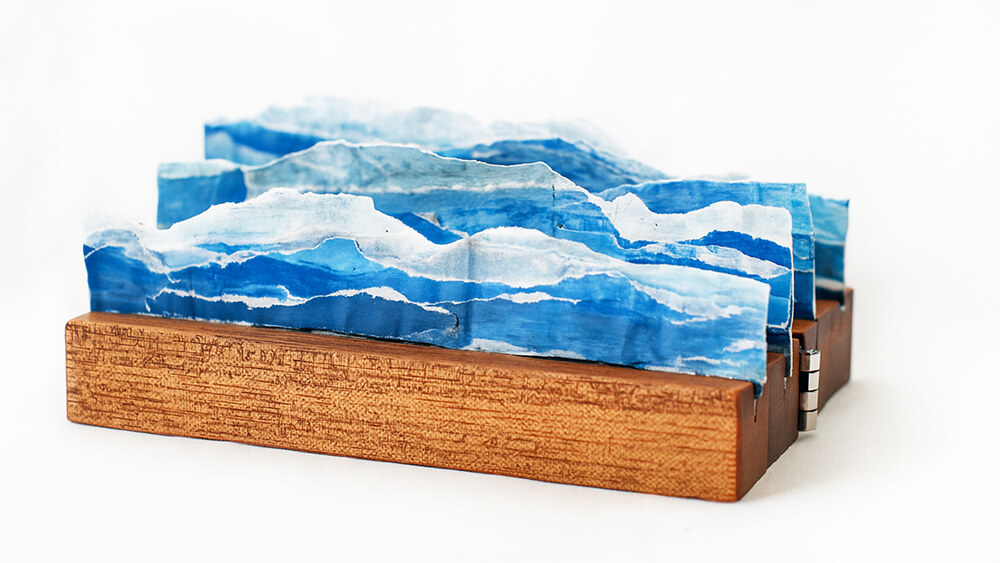
Acrylic paint on masking tape, wood, and metal hinges.
15cm x 6cm / 6 inches x 2 inches (closed)