
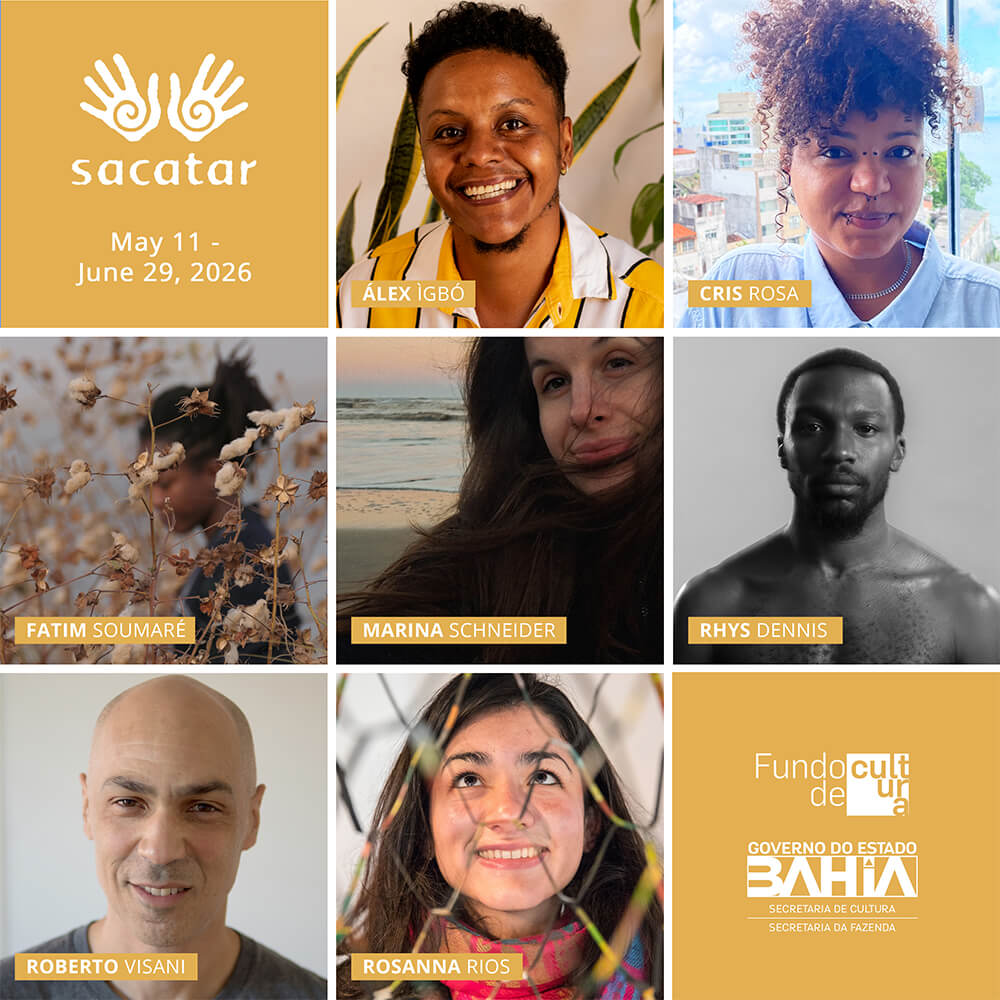
Many of the artists in this group approach Bahia as a convergence point for traditions, techniques, and forms of knowledge from different parts of the world. Spanning sculpture, textiles, choreography, film, writing, and research, these artists arrive at Sacatar with projects that trace connections between Bahia and places such as Senegal, Japan, Nigeria, the Caribbean, Latin America, and the United States. In doing so, the residents engage Bahia not as an isolated context, but as a territory of historical and contemporary exchange.
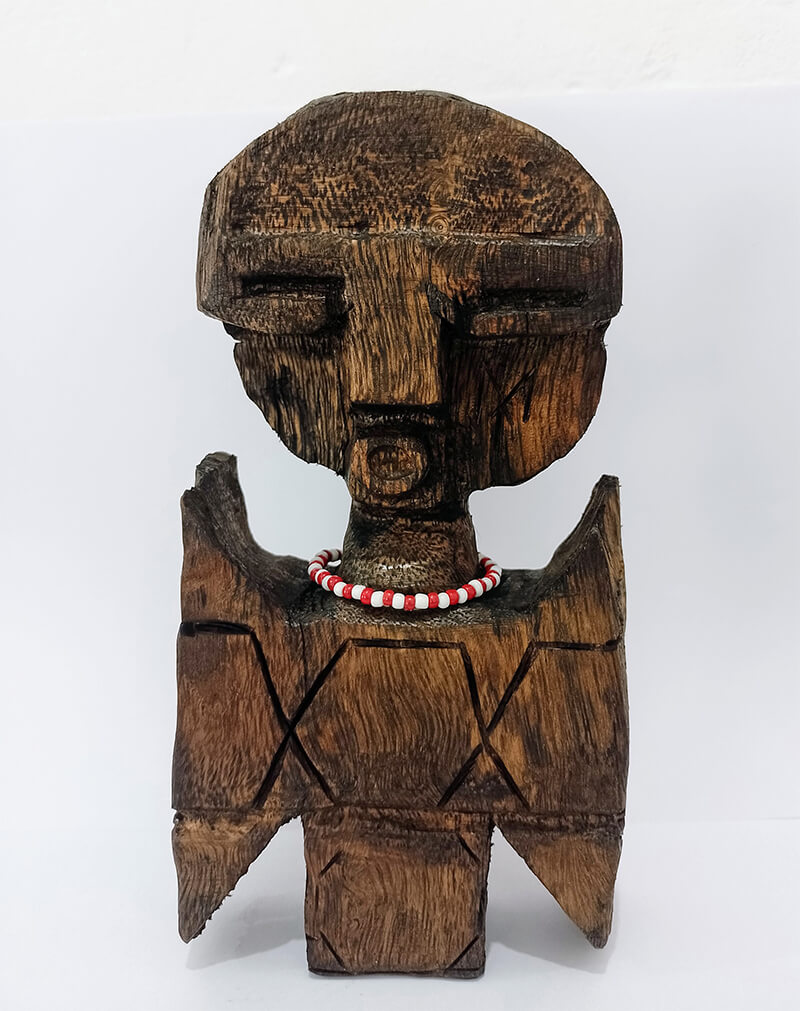
Salvador-based artist Álex Ìgbó joins the residency through the ongoing partnership between Sacatar and the Secretariat of Culture of the State of Bahia (SECULT-BA). Following a recent shift toward wood sculpture, his current project seeks to re-center the symbolism of the snake within Fon and Yoruba traditions.
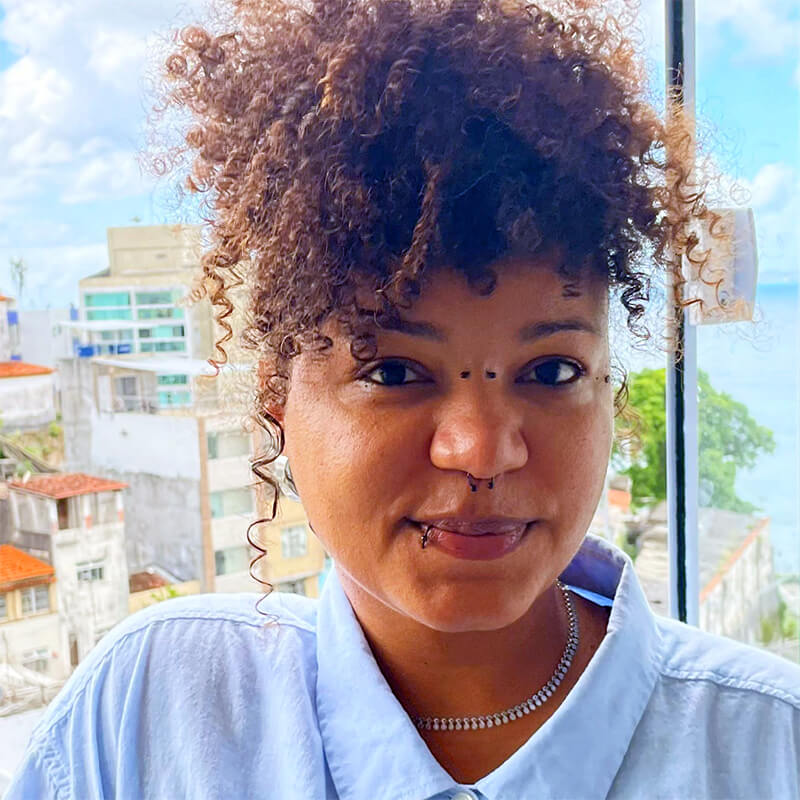
Also from Bahia, writer and researcher Cris Rosa – a returning Fellow – looks at Sacatar, Itaparica, and the ocean as sites of contemporary diasporic connections.
Joining from Senegal, visual artist Fatim Soumaré aims to expand her community-based research on cotton and textile traditions into the Bahian context. Fatim’s residency is supported by the Secretariat of Culture of the State of Bahia (SECULT-BA).
Filmmaker and writer Marina Schneider, from southern Brazil, develops narratives centered on gender, sexuality, and territory through the lens of magical realism.
From the UK, choreographer and performance artist Rhys Dennis explores Black identity, grief, and Afro-Caribbean spiritual traditions through rhythm, touch, and embodied storytelling.
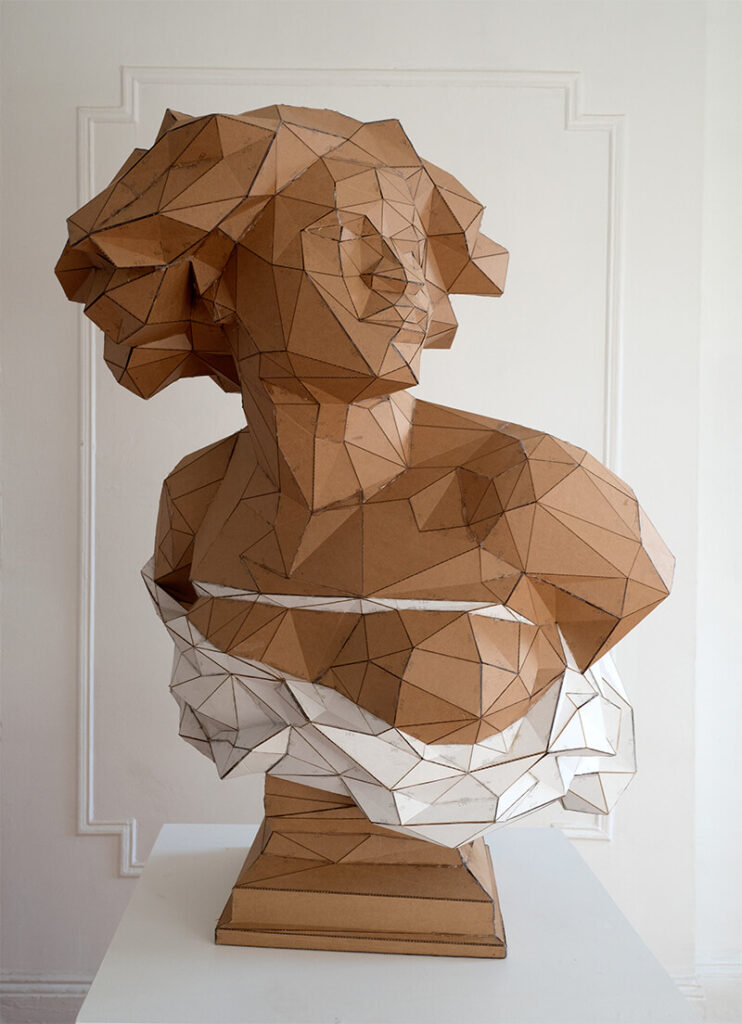
Roberto Visani, a visual artist from the USA, reinterprets archives and historical representations of slavery through cardboard sculpture.
From Venezuela, visual artist Rosanna Rios combines Japanese and Nigerian dyeing techniques in her textile-based practice.
These artists will be in residence at Sacatar from May 11 to June 29, 2026.
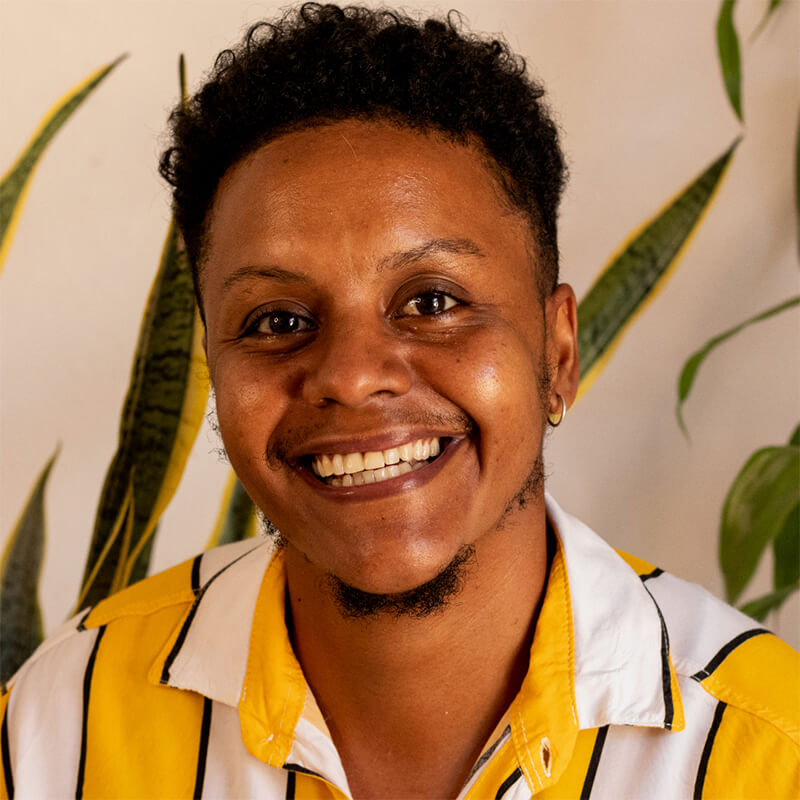
Álex Ìgbó
Visual Arts
Brazil
Sacatar + SECULT-BA Partnership
Álex Ìgbó is a visual artist from Salvador, Bahia. He began his artistic trajectory through urban interventions, working with printmaking and lambe-lambe (wheatpaste posters). For more than 15 years, his practice has sought to subvert universalized codes, addressing issues such as gender, racism, and LGBTphobia.
Recently, Álex has begun exploring wood sculpture with the series Andem com as cobras elas sabem morrer (“Walk with the Snakes, They Know How to Die”). The work draws from the symbolism of snakes in Fon and Yoruba traditions, looking to question Western semiotics, which has historically associated these animals with falsehood and betrayal. At Sacatar, Álex seeks to expand further this research and his experimentation with wood carving techniques.
Holding a bachelor’s degree in Drawing and Visual Arts and a master’s degree in Visual Arts from the School of Fine Arts at the Federal University of Bahia (2018 and 2025), Álex has participated in exhibitions such as Um Defeito de Cor (Museu Nacional da Cultura Afro-Brasileira, 2023/2024, and Sesc Pinheiros, 2024) and Abre-Caminhos (Centro Cultural São Paulo, 2021), as well as international exhibitions such as Axé Bahia: The Power of Art in an Afro-Brazilian Metropolis (Fowler Museum at UCLA, 2017).
Álex Igbó’s residency at Sacatar is supported by SECULT-BA through the Apoio à Ações Continuadas do Fundo de Cultura da Secretaria de Cultura do Estado da Bahia.

Cris Rosa
Literature / Research
Brazil
Sacatar Returning Fellow
Cris Rosa is a geographer, writer, and researcher from Bahia. A Ph.D. candidate in Geography at the Federal University of Bahia, she is the author of the book Kiss Your Black Woman in a Public Square: From the Appropriation of the Body to the Appropriation of Space (Federal University of Bahia Press, 2024), a semifinalist for the Jabuti Academic Award. She is also the founder of Lab Rachadura—Laboratory for Studies on the Interplay of Racism, Sexism, and Capitalism.
Her research focuses on the shaping of urban space through the interplay of racism, sexism, and capitalism, with an emphasis on the creative and artistic work of Black women. In recent years, in addition to publishing regularly on these topics, she has been developing performances and art installations that explore memory, representation, the body, and the Black presence in the city.
Cris Rosa arrives at Sacatar as a returning Fellow. During her time in Itaparica, she will continue the research initiated during her first residency in 2022, centered on the concept of “Andographies,” a poetic form of relationship between the body and displacement. Her goal is to identify and map Black artistic flows that have had Sacatar and Itaparica as their backdrop. Drawing on references such as Christina Sharpe and Beatriz Nascimento, her research brings together academic investigation and artistic creation.
Fatim Soumaré
Visual Arts
Senegal
Sacatar + SECULT-BA Partnership
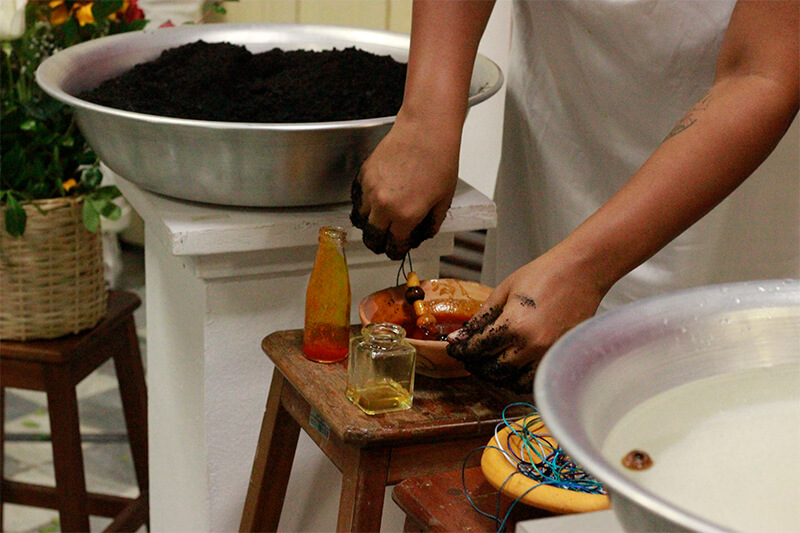
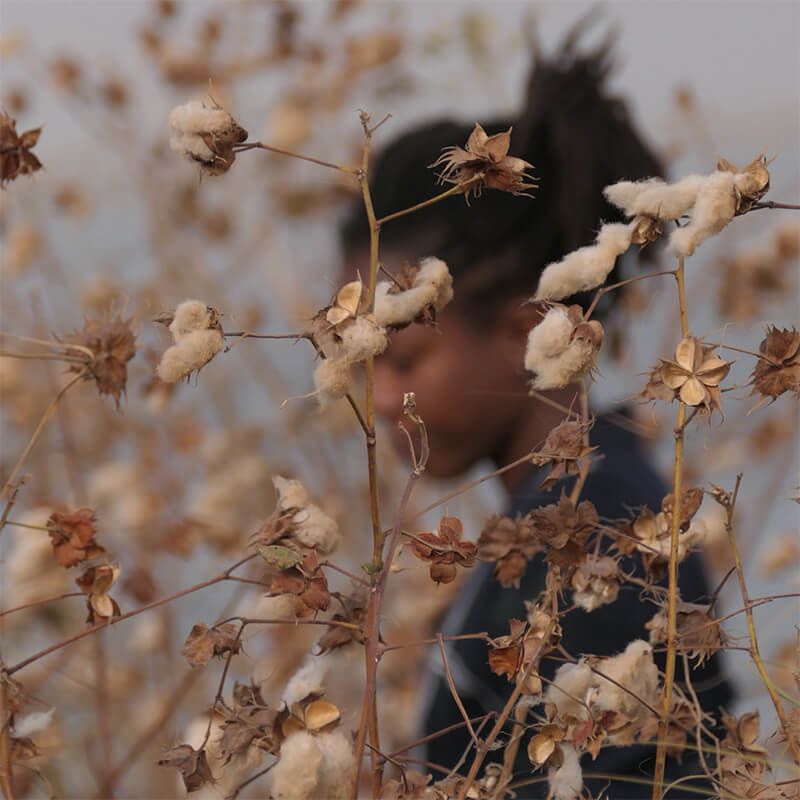
Fatim Soumaré is a Senegalese visual artist and researcher working with textiles – not just the material, but also its history and communities. Based in the Siin region of Senegal, Fatim’s practice creates both real and symbolic encounters among women across the African continent who continue weaving traditions. Her research is particularly focused on the history of the cotton tree, its pre-colonial circulation across Africa, the vernacular practices derived from it, and its later industrial exploitation.
In 2021, she founded Falé, a laboratory-workshop in the Fatick region where more than 200 Serer artisan spinners and weavers collaborate. This socio-artistic initiative is dedicated to preserving the traditional practice of hand-spinning rain-fed cotton. Soumaré has developed a collective and participatory methodology, engaging in every stage of the process, from seed cultivation to the production of artworks, while emphasizing the transmission of knowledge.
During her residency at Sacatar, Soumaré aims to deepen and decentralize the narrative surrounding cotton’s legacy. In collaboration with communities in Bahia, she will focus on experimental creations emerging from shared knowledge and the observation of local practices.
Fatim Soumaré’s residency at Sacatar is supported by SECULT-BA through the Apoio à Ações Continuadas do Fundo de Cultura da Secretaria de Cultura do Estado da Bahia.
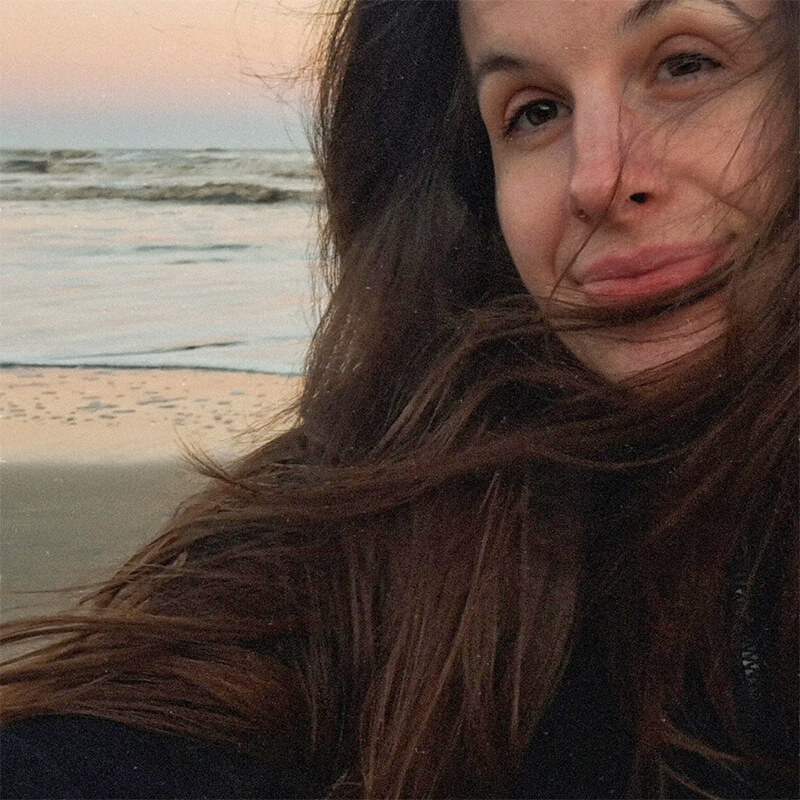
Marina Schneider
Moving Image
Brazil
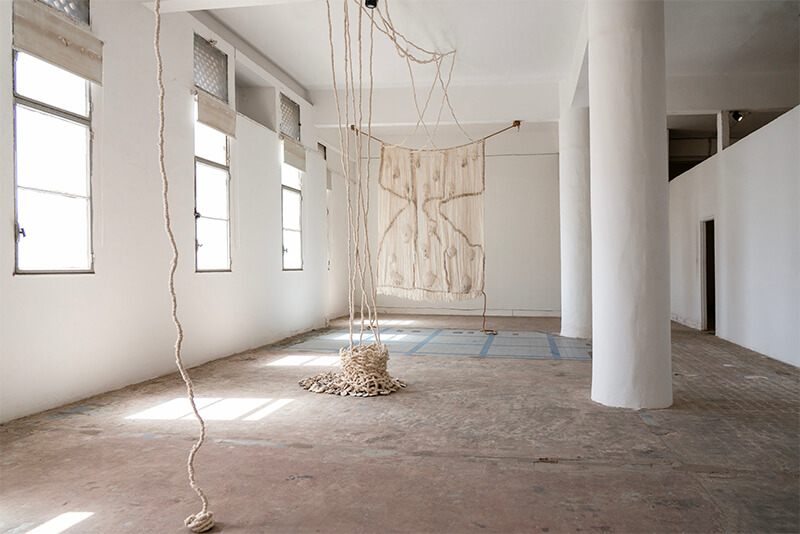
Marina Schneider is a filmmaker, writer, and screenwriter from Rio Grande do Sul, Brazil. She holds a Master’s degree in Communication with an emphasis on Cinema and Television and is the founder of Belisa Filmes, where she has worked for the past five years in audiovisual, theatrical, and literary productions. As a writer, she has received awards from the Portuguese-language screenwriting festival GUIÕES, in Portugal, and from the Nuevas Miradas laboratory at the International School of Film and Television in Cuba. She directed the short films Raiano (2023) and Dentro, fora do Brasil (2024). In literature, she published the book Teimosia e Memória (Urutau Publishing House).
Her artistic practice focuses on creating narratives that explore gender, sexuality, and territory through magical realism, understood as a language capable of integrating everyday life while highlighting historical, political, and symbolic dimensions that are often overlooked. Her work engages with the thought of Gabriel García Márquez, for whom magical realism transcends the boundaries of an artistic and literary movement, constituting also a Latin American worldview.
During her residency at Sacatar, Marina Schneider plans to develop her first feature-length screenplay, Eguncio, a fantasy drama. The film follows a deceased Black man whose journey is symbolically constructed through Afro-Brazilian cosmogony. At the same time, she will begin research into theoretical, visual, and auditory references regarding Latin American, Afro-Brazilian, and African masks, which are central elements of the project.
Rhys Dennis
Dance / Choreography
United Kingdom
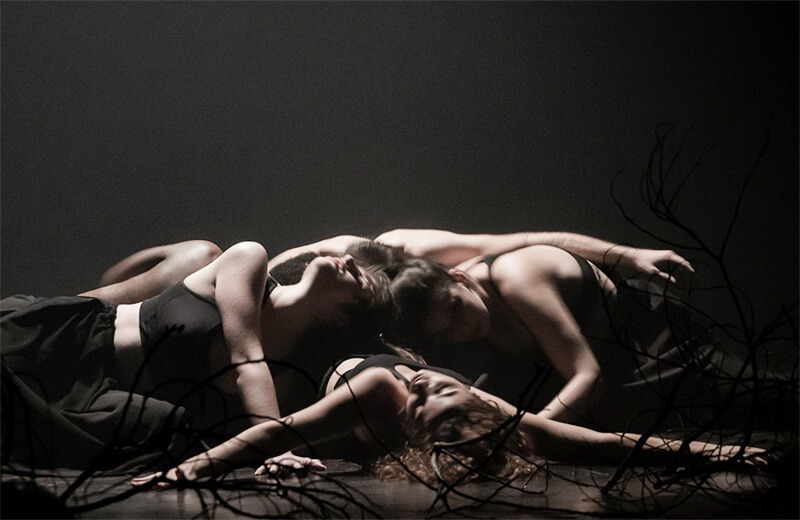
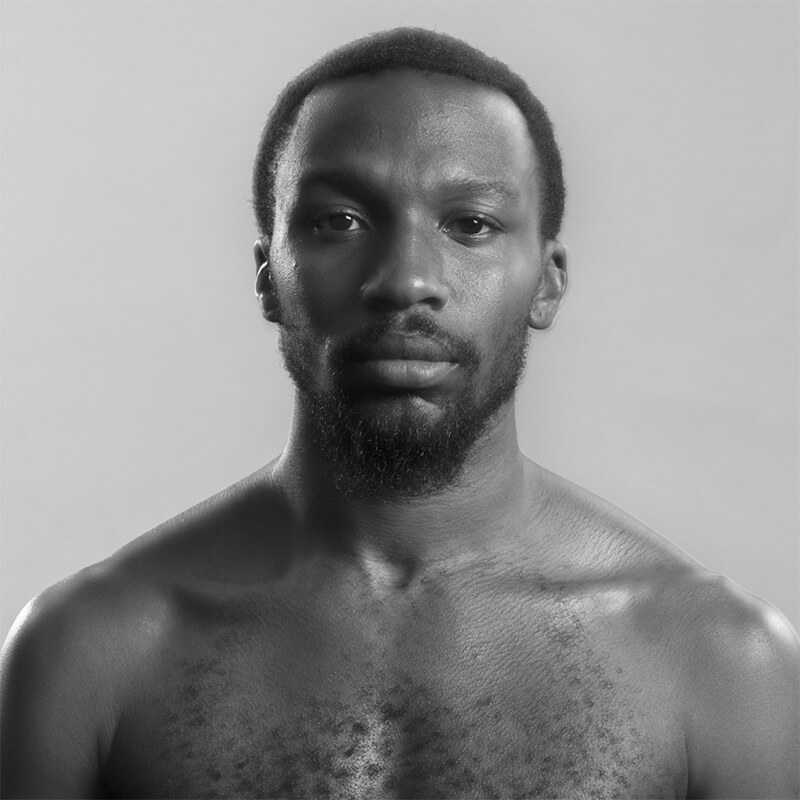
Rhys Dennis is a choreographer and performance artist trained at The Place in London. Born in London and of Jamaican heritage, his work explores the complexities of Black experience and the evolving relationship between his queer and Afro identities. His projects have toured with Aerowaves and Summer Dance Forever, and, as a performer, he has collaborated with artists including Playboi Carti, Usher, and Beyoncé.
His creative practice centers rhythm as a primary tool for storytelling, using the body as a site of memory, presence, and ancestral knowledge. Rhys works extensively with communication through touch to investigate character and relational dynamics, while also employing language as a choreographic tool to question how movement is articulated, shared, and made accessible on both individual and collective levels.
During his residency at Sacatar, Rhys will explore his relationship to grief through Afro-Caribbean spiritual traditions beyond Christianity. Rooted in his Jamaican heritage, he sets out to examine ritual as a living practice, investigating how ancestral knowledge is preserved, transformed, and activated in the present. By honoring the past while reimagining its future presence, the work seeks to cultivate a deeper awareness of lineage, memory, and embodied remembrance.
Roberto Visani
Visual Arts
USA
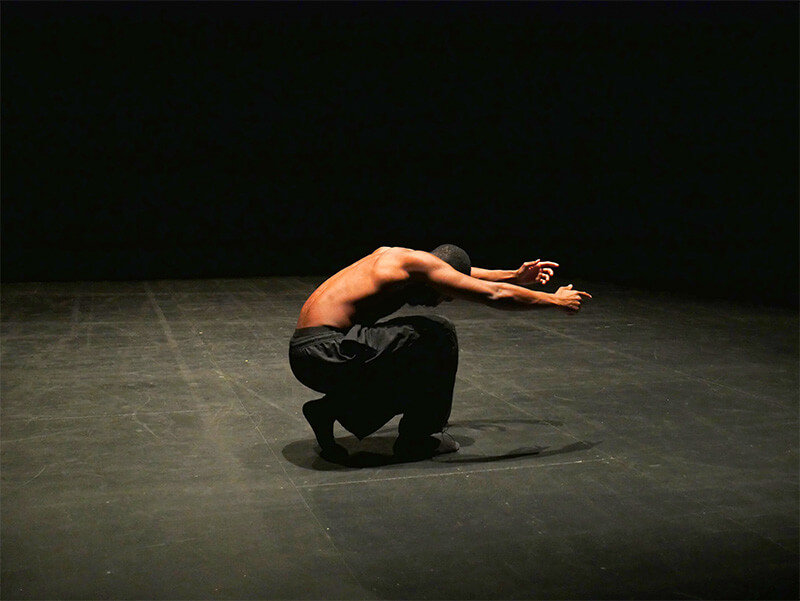
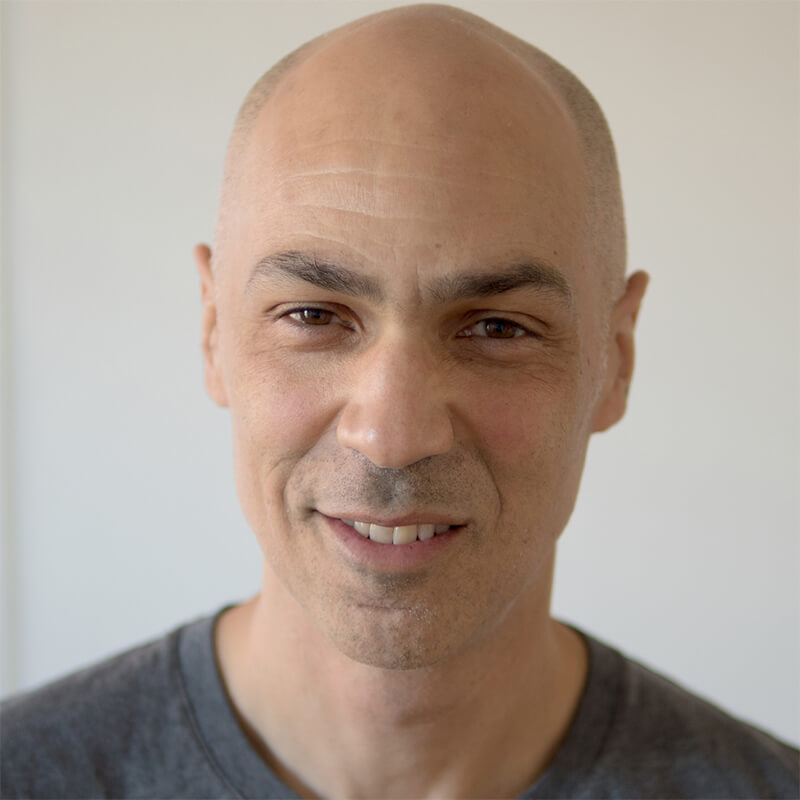
Roberto Visani is a Brooklyn-based visual artist working with sculpture, drawing, and photography. His practice centers on the reinterpretation of artifacts and archives of the African diaspora, reflecting on shifting conceptions of the Black body as both autonomous subject and anonymous object. His sculptures move between representation and abstraction across two interconnected bodies of work: Primary Structures, informed by Indigenous West African sculptural traditions, and Cardboard Slave Kit, which invites viewers to reconsider historical imagery of enslaved people.
Roberto’s work has been exhibited at the New Museum, the Studio Museum in Harlem, the Yerba Buena Center for the Arts, and the Barbican Centre. He has been awarded residencies by Art Omi, Lower Manhattan Cultural Council, and Chelsea College of Arts in London. His work has been reviewed in publications including The New York Times, Artforum, and Frieze. A former New York Foundation for the Arts Fellow in Sculpture and a Fulbright Program Fellow to Ghana, Visani is an associate professor at the City University of New York.
During the residency, Roberto intends to engage more deeply with the local history of slavery and the transatlantic slave trade, investigating how African, European, and Amerindian cultural identities intersected within regional traditions, particularly as reflected in figurative sculpture in Bahia. Drawing on local documentary, cultural, and architectural references, the artist aims to expand his Cardboard Slave Kit series. Roberto also seeks to foster dialogue around the different manifestations of slavery in Brazil and the United States..
Rosanna Rios
Visual arts
Venezuela
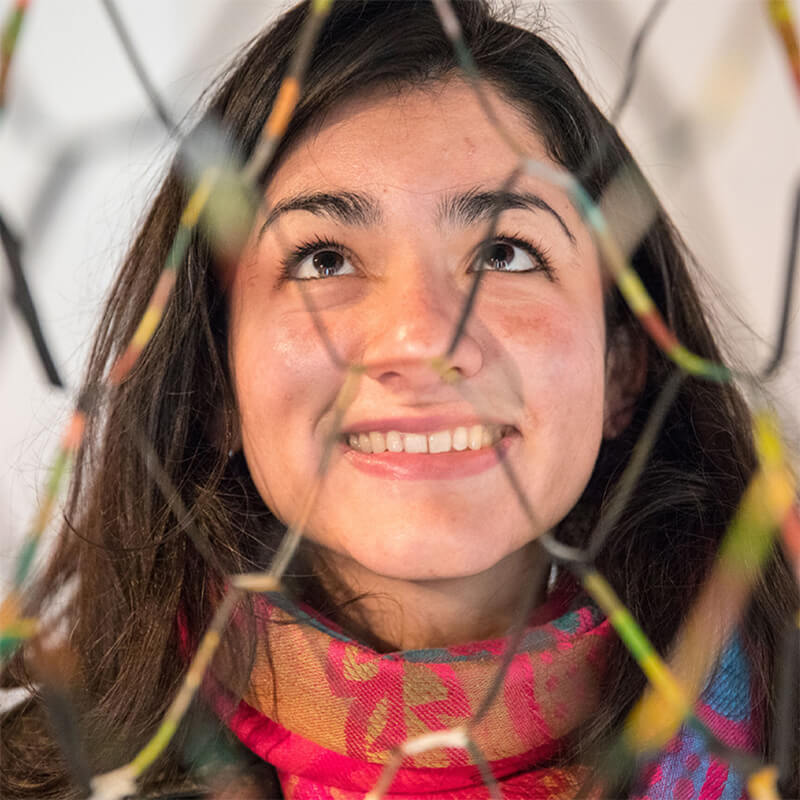
Rosanna Rios is a visual artist from Venezuela who works with textiles. Her work employs the traditional Japanese dyeing methods of katazome and yūzen, which she studied while completing her master’s degree and PhD at Kyoto Seika University, in Japan. Rosanna’s work has been exhibited at the VI Biennial of Contemporary Textile Art “AIR” at the Museo Anahuacalli in Mexico, Textile Art of Today at the Danubiana Meulensteen Art Museum in Slovakia, the Setouchi Triennale on Takamijima, Japan, and Interlacing of Continents Salon at Miami International Fine Arts, in the United States.
In her practice, Rosanna compares and combines the technical aspects of katazome dyeing, from Japan, with adire eleko, a traditional resist-dyeing method from Nigeria. By doing so, she reflects on the relevance of these techniques within contemporary craft practices and their potential for creative placemaking. In addition to textiles, Rosanna’s work also includes video installations that incorporate embroidery, drawing, and sound, and explore themes of life and death, temporality, and identity.
During her residency, Rosanna will continue investigating the materials and processes involved in adire eleko and its parallels with katazome, with particular attention to the materials used in both traditions. She will also explore Yoruba textiles, focusing on patterns that have been assimilated into Brazilian culture.