
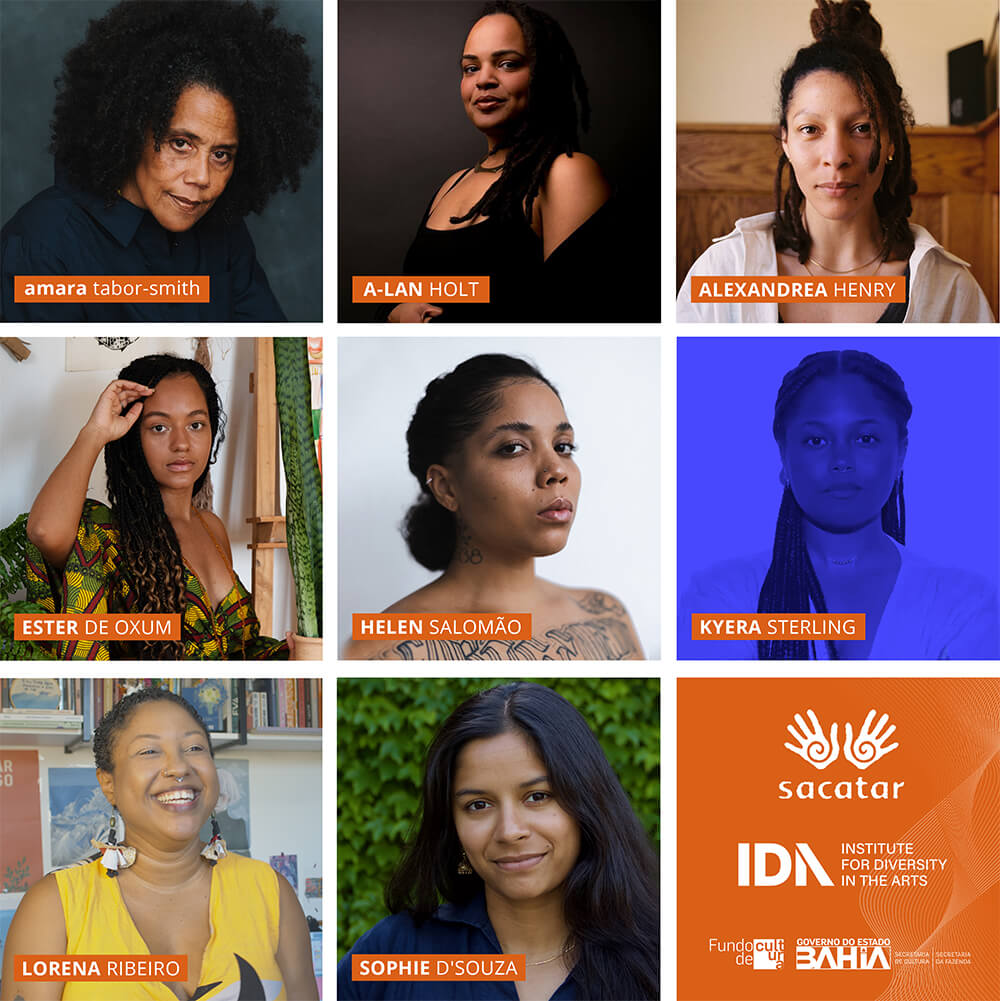
For the third year in a row, Sacatar is partnering with Stanford University’s Institute for Diversity in the Arts (IDA) to host a residency session exploring shared experiences of the African diaspora. This year’s group brings together U.S.-based and Brazilian artists — including three women artists from Bahia.
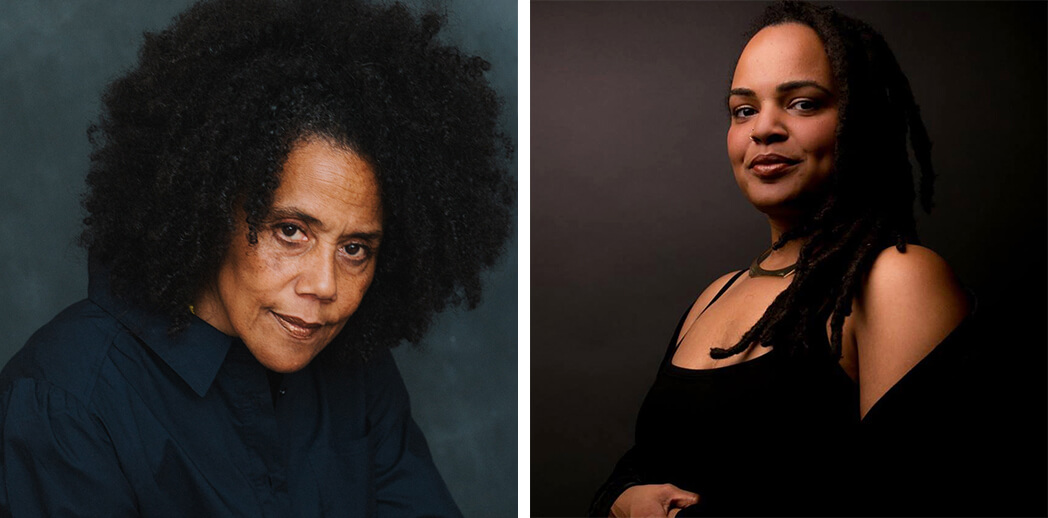
amara tabor-smith and A-Lan Holt
USA
Mentors of the IDA/Stanford – Sacatar program
As mentors of the IDA/Stanford – Sacatar residency session, we are thrilled to share this unique collaboration between the Institute for Diversity in the Arts at Stanford University and the Sacatar Institute in Itaparica, Bahia, Brazil.
Together, we’ve developed a five-week residency that brings together eight women artists—graduate students, faculty from Stanford, and Brazilian multidisciplinary artists—for an immersive experience centered on the African Diaspora. Hosted at Sacatar’s headquarters in Itaparica, the program fosters vital conversations across different geographies of the Diaspora, grounding artistic practice in cultural exchange and critical reflection.
This residency offers more than time and space to create; it is an invitation to engage deeply with questions of transnational Black identity, social justice, and national privilege. The artists will explore significant sites of Afro-diasporic culture across Itaparica, Salvador, and the Recôncavo Baiano, while connecting with local cultural leaders, institutions, and popular traditions.
We recognize how rare and necessary it is to build spaces where artists, scholars, and cultural workers from different parts of the Diaspora can come together. This program was born from a shared commitment to creating room for dialogue, collaboration, and transformation—both individually and collectively.
The residency will run from July 14 to August 18, 2025. We invite the public to follow the program’s events and learn more by visiting sacatar.org.
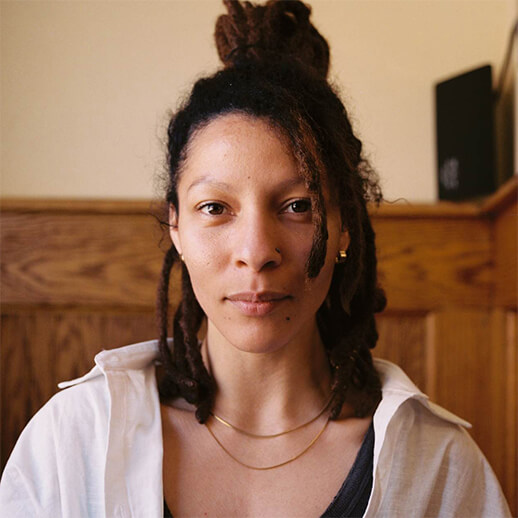
Alexandrea Henry
Sound art | USA
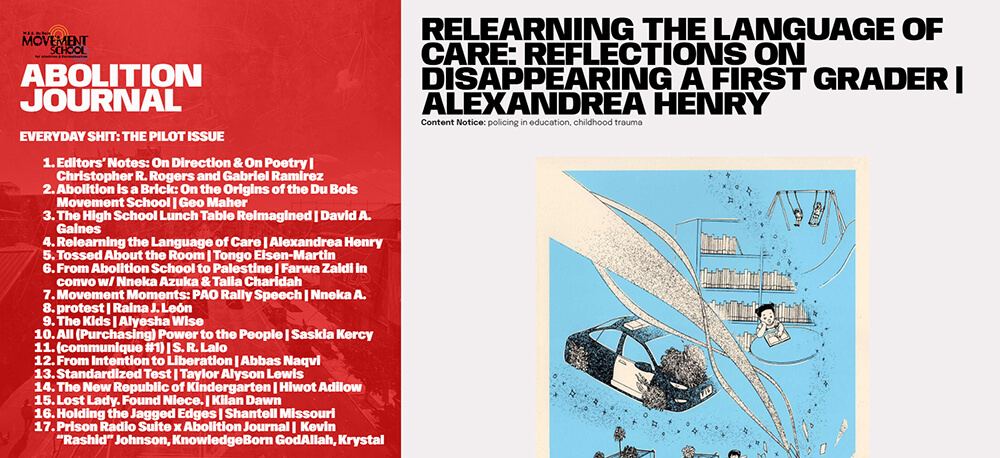
Alexandrea Henry is a multidisciplinary artist and former educator whose visual work often centers on film photography, embracing the tactile and intentional nature of the medium. In addition to photography, her practice includes poetry and lyrical prose, and is currently expanding into sound art.
In Brazil, Alexandrea is particularly interested in connecting with children involved in the Landless Workers’ Movement (MST) and other social movements to better understand how they perceive and express solidarity with global struggles.
During her residency at Sacatar, she will develop res·o·nance, a project that explores sound as an artistic language. Influenced by Alexis Pauline Gumbs’ writings on the power of the echo, Henry investigates how Brazilian children—especially those in the Sem Terrinha movement—listen and respond to calls for justice from other parts of the world, such as Palestine.
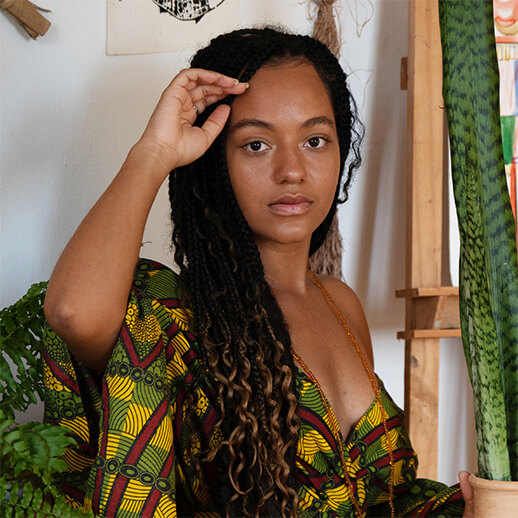
Ester de Oxum
Visual Arts | Brazil
Ester de Oxum is a multidisciplinary artist from Itamaraju, Bahia. Her work combines painting, performance, writing, and ritual. It connects art and ancestry, with an emphasis on Afro-diasporic knowledge and what the artists refers to as “technologies of the sacred”.
Ester uses organic, symbolic materials to create works that evoke ancestral presences as well as “internal landscapes.” She draws inspiration from Afro-diasporic mythologies, sacred songs, and the act of listening to the invisible. In doing so, she treats painting as a territory of incorporation, enchantment, and revelation.
During her residency at Sacatar, she intends to deepen an ongoing research into the Atós—women who sing to Baba Egungun—and their power as guardians of ancestral memory.
Ester de Oxum’s residency is made possible thanks to the generous support of the Secretary of Culture of the State of Bahia, through the Apoio a Ações Continuadas of the Fundo de Cultura da Secretaria de Cultura do Estado da Bahia (SECULT).

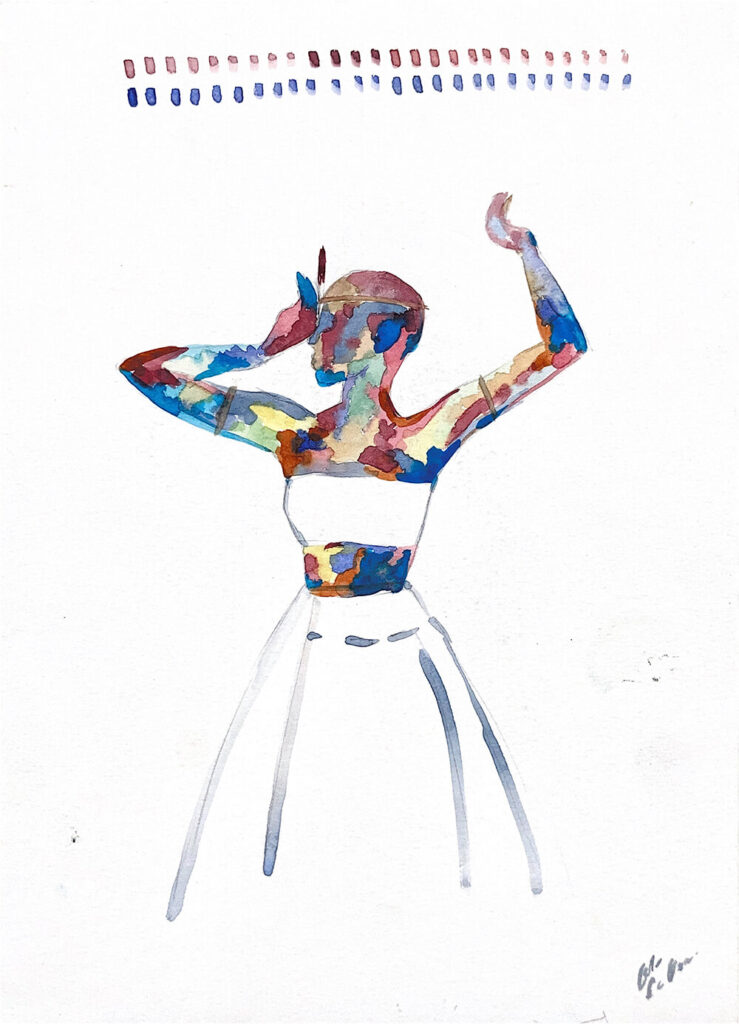
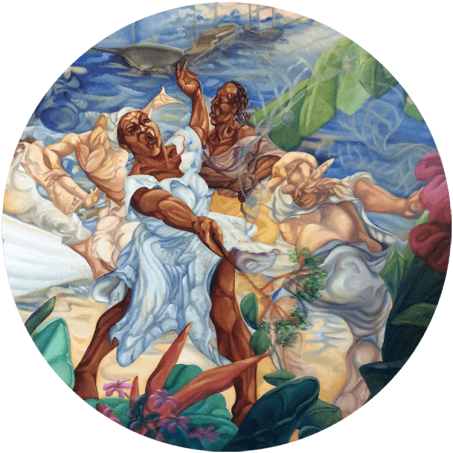
2020
Watercolor on Canson Paper 300g/M²
21cm X 29,7cm
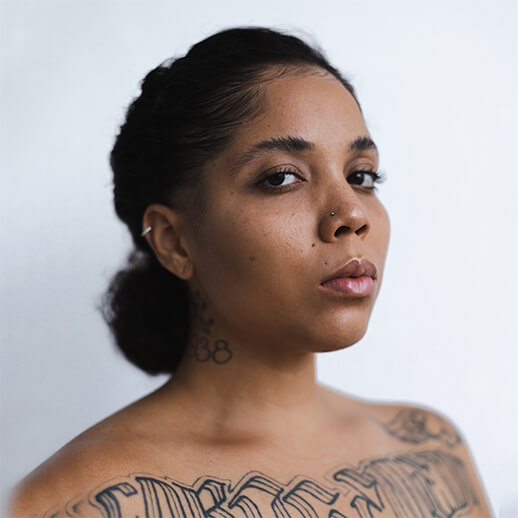
Helen Salomão
Multidisciplinary Arts | Brazil
Helen Salomão is a multidisciplinary artist from Salvador, Bahia. Her practice encompasses photography, video art, writing, and installations. In her work, spirituality, ancestry, and affection emerge as recurring themes, often explored as pathways to healing.
Salomão’s work has been featured in significant exhibitions, including Axé Bahia: The Power of Art in an Afro-Brazilian Metropolis (Fowler Museum at UCLA, California, 2017) and Somos aquelas que pereiam o abismo em busca das frestas (group show at Instituto Tomie Ohtake, São Paulo, 2021). In the latter, Helen presented her first short film, Raízes Mapas, alongside documentary photographs.
During her residency at Sacatar, Salomão plans to continue developing Diversas em Mim, a series of self-portraits that combines photography, writing, painting, sewing, installations, and found objects.
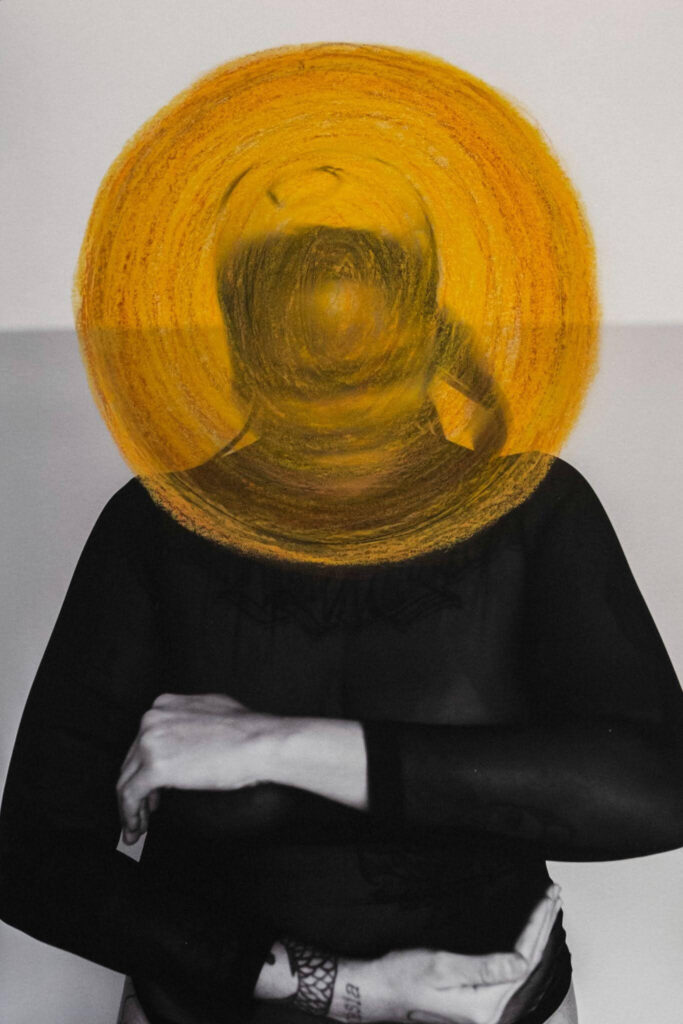
Black and white digital photography printed on Canson Infinity Rag Photographique 310 g/m² paper, with hand-applied interventions using oil pastel in earthy tones; self-portrait.
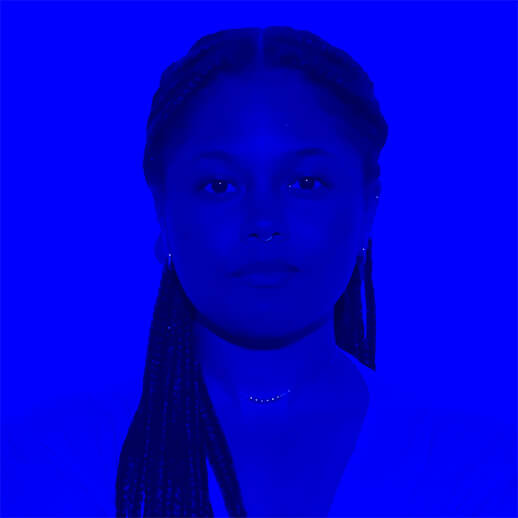
Kyéra Sterling
Multimedia + Sound Art | USA
Kyéra Sterling is a writer, curator, and doctoral student of Black art, film, and media at Stanford University. Her work engages questions of sound, Black metaphysics, and the moving image.
She has curated film programming for the Coolidge Corner Theater and the Anderson Collection at Stanford, and currently co-chairs a graduate-run film screening series. Her work is influenced by thinkers such as composer and sound artist Pauline Oliveros—particularly the concepts of “the sonosphere” and “deep listening”—and artist Jennie C. Jones, who explores the relationship between sound and architecture with an ear toward Black aural poetics.
For her residency at Sacatar, she brings the project Untitled, 2025 | Sonic Constellations, which explores the daily sounds and rhythms of Bahia through experimental captures of the territory’s sonic textures. Part soundscape, part visual installation, the project is organized around the question: How might this network of frequencies “sound out” strategies of cultural survival for Afro-diasporic peoples?
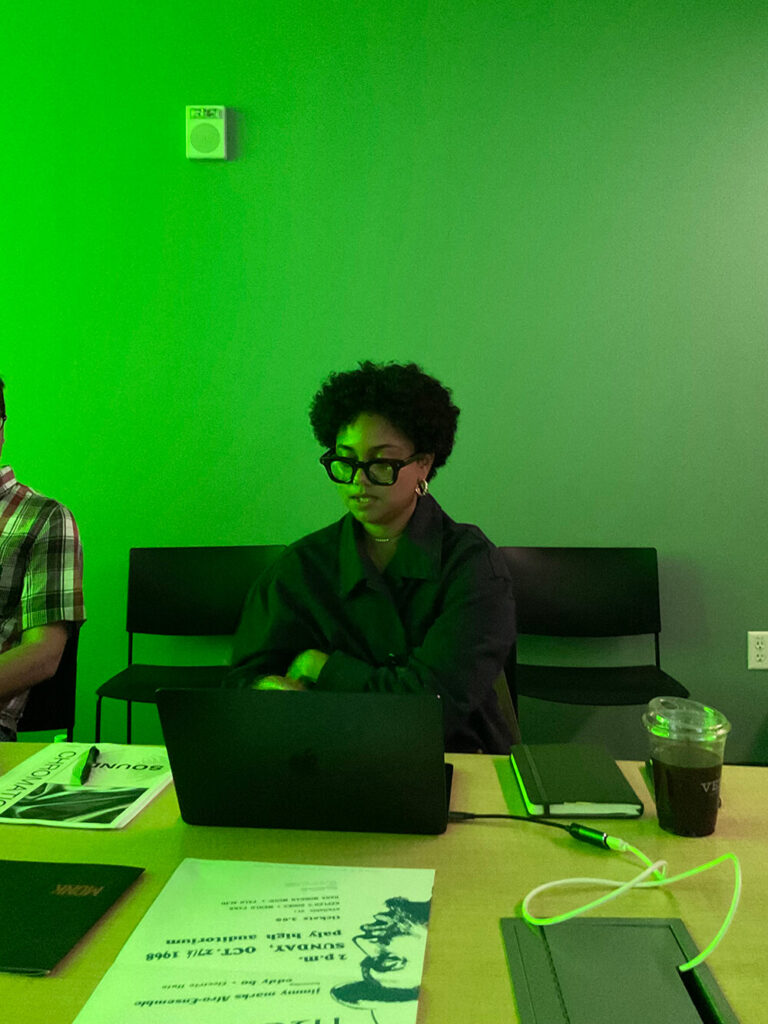
(An exploration of black metaphysics of light and being, as fueled through Mujinga’s use of green, light – Essay forthcoming in Liquid Blackness Spring 2026)
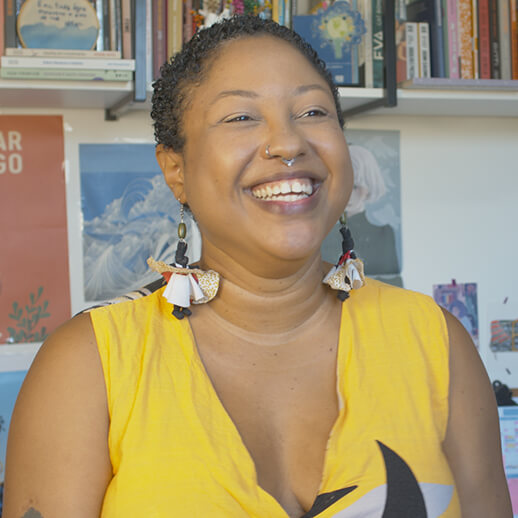
Lorena Ribeiro
Multidisciplinary Arts | Brazil
Lorena Ribeiro is a multidisciplinary artist from Salvador, Bahia, with a master’s degree in Language and Culture from the Federal University of Bahia. Her work spans writing, photography, visual arts, and crafts. As a writer, she produces poetry, short stories, and children’s literature, and has published the books Amuleto (2024) and O Divertido Glossário da Jana (2020/2023). Her work has also appeared in several anthologies, including Poetas Negras Brasileiras and Vozes Nordestinas.
Ribeiro is the creator of the projects Passos entre Linhas and Lendo a Bahia, both of which focus on literary research and the promotion of works by Black women and artists from Bahia. Her literary writing reflects this ongoing research, as well as her observations of everyday life. Her visual artwork emerges from a similar perspective, often portraying the daily experiences of a Black woman living with fibromyalgia.
At Sacatar, Ribeiro will develop Confluência Insular, a project that expands on themes explored in her handmade poetry book Amuleto. The project delves into ideas of feminine cyclicality and sexuality, and aims to create new literary and visual works combining paint and embroidery.
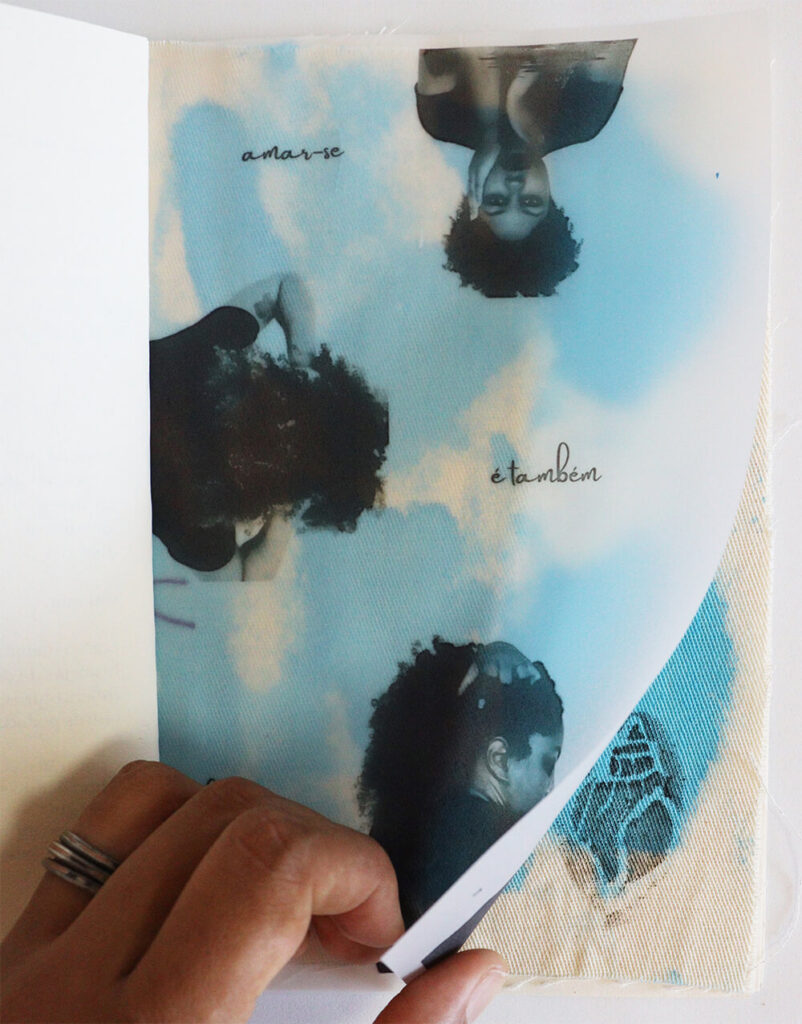
Handmade Book / Paper and fabric pages
Sophie D’Souza
Multidisciplinary Arts | USA
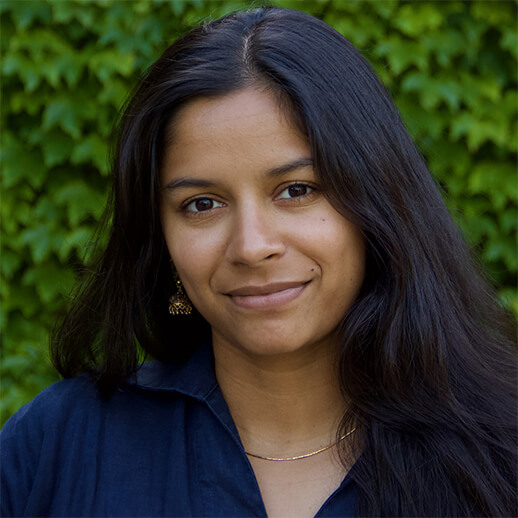
Sophie D’Souza is an artist exploring the intersections of mixed media and the written form. Threading themes of dystopia and ecocriticism, her writing intimately portrays people and place, engaging spiritual knowledge and ancestral connection, and tending to the interrelationships between nature, humanity, systems of power, and resistance.
Sophie is a Ph.D. candidate at Stanford University’s Graduate School of Education, where she researches systemic violence and state dispossession and their impacts on communities of color. She has facilitated therapeutic collective spaces in schools and jails, where writing and artmaking serve as portals to imagining otherwise.
At Sacatar, Sophie plans to take a multidisciplinary approach to exploring ephemerality as it relates to elements of the natural and spiritual world—through poetry, creative nonfiction, and image transfer techniques including cyanotypes. Her work investigates unseating the human in favor of what elemental forces can teach us. Sophie looks forward to being in relation with all beings in Bahia.
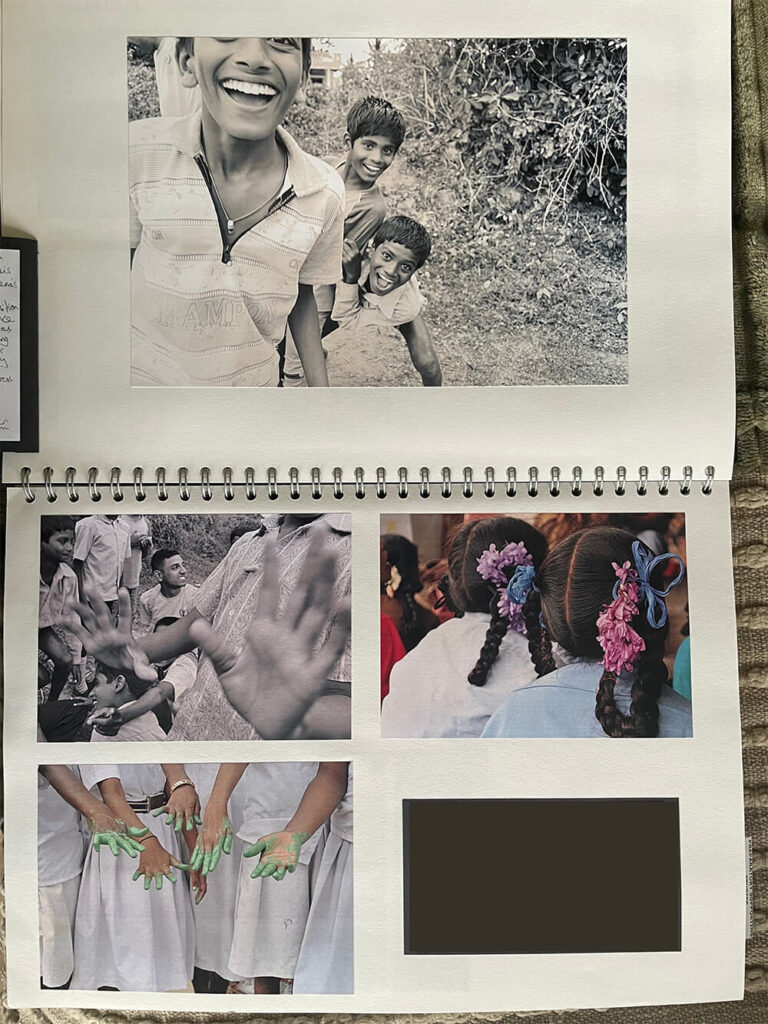
Photography Experimental Portraiture
SD’Souza