
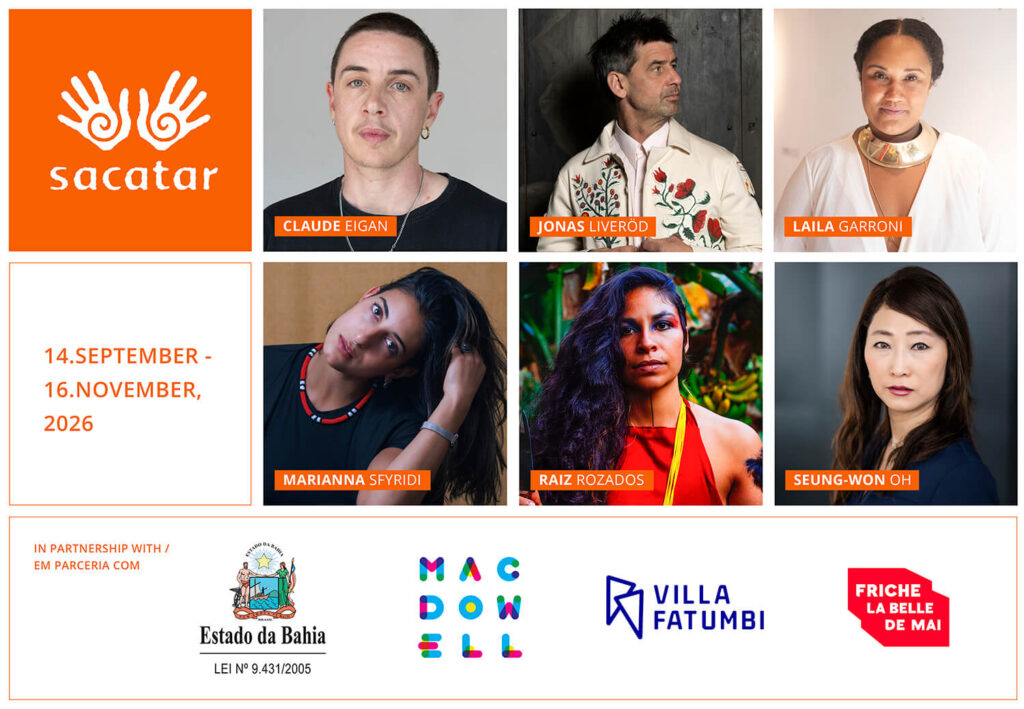
Even though the six artists arriving for Sacatar’s fourth residency session of the year come from different countries and engage with different themes and creative disciplines, transformation seems to be a common thread in their practices.
How movement turns into music, how a territory changes its name, how displacement shapes one’s experience. In a world of overlapping crises, these artists are looking at change, becoming, and reclaiming.
French visual artist Claude Eigan, who arrives at Sacatar through a partnership with La Friche la Belle de Mai (Marseille), looks at metamorphoses in oceanic life to challenge binary understandings of living organisms;
Amongst his many endeavors, Swedish artist, curator, and collector Jonas Liveröd researches the relationship between altered states and creativity, as well as funerary and death rites;
The work of Brazilian multidisciplinary artist Laila Garroni is informed by her own experience of being constantly on the move, the broader context of the African diaspora, and themes of migration and displacement;
Greek dancer Marianna Sfyridi is based in the UK and develops a practice that connects dance, Capoeira, and rituals, with a focus on migration, ecology, and collective knowledge;
Bahian visual artist and filmmaker Raiz Rozados arrives at Sacatar with support from SECULT-BA. She aims to recreate the map of Kirimurê (the Tupinambá name for the Bay of All Saints) from a countercolonial perspective;
South Korean-born, Netherlands-based composer Seung-Won Oh joins the session through Sacatar’s cross-residency partnership with MacDowell. At Sacatar, she’ll look at how percussionists’ movements can inform dancers, and how the sounds of dancers’ movements can be incorporated into compositions.
These artists will be in residence at Sacatar from September 14 to November 16, 2026.
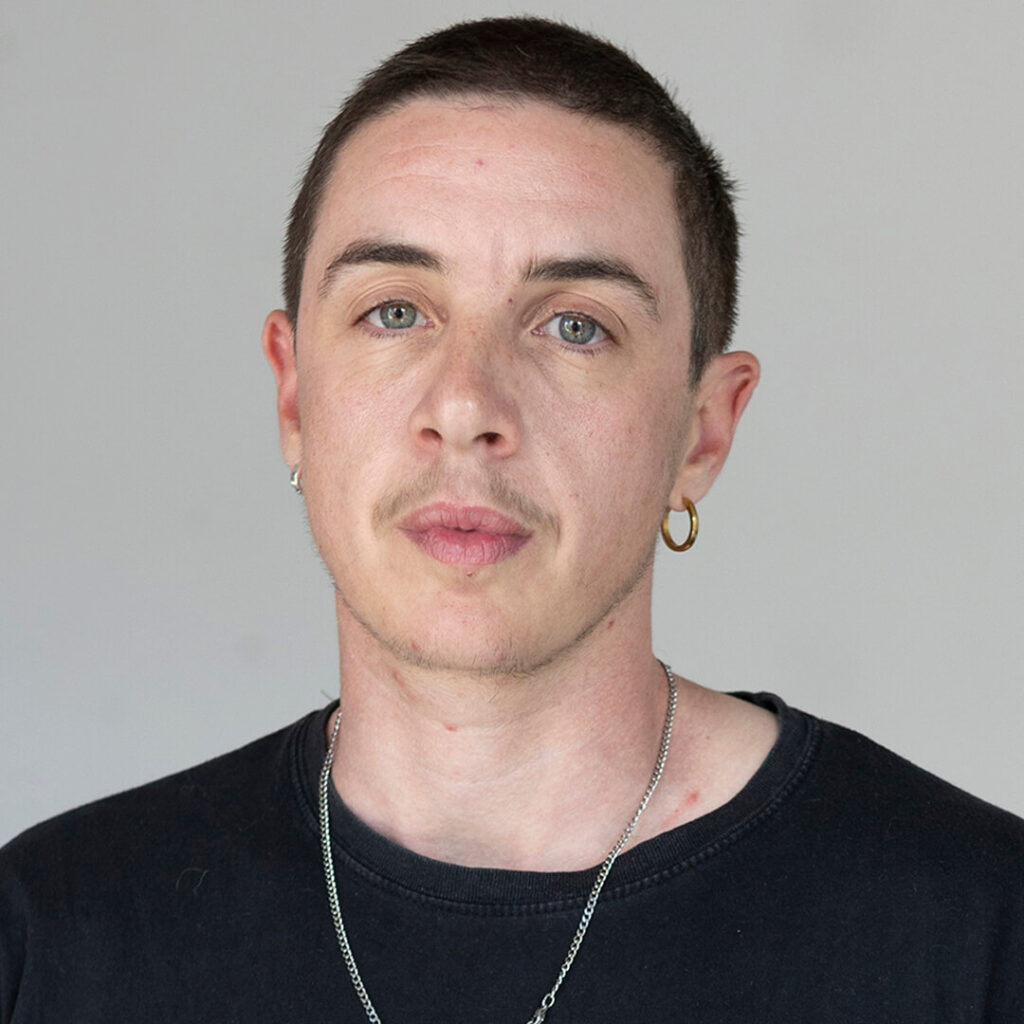
CLAUDE EIGAN
Visual Arts
France
In partnership with Friche la Belle de Mai and Villa Fatumbi
Claude Eigan (b. 1983, Saint-Germain-en-Laye, France) lives and works in Marseille. His sculptural and installation-based practice explores non-normative bodies, their vulnerabilities, and the spaces they inhabit and transform. Rooted in queer experience and informed by science fiction, his work alters everyday objects by manipulating their scale and incorporating bodily elements to disrupt their familiarity, through a process he describes as “digestion”.
During his residency at Sacatar, Claude will expand his ongoing sculptural research into metamorphosis, drawing inspiration from marine life and its changing forms, which challenge binary understandings of bodies and living organisms. Through drawing, clay sculpture, and direct observation of Bahia’s coastal environment, his research will remain open to the influence of the island’s landscapes, biodiversity, and exchanges with fellow residents.
Claude’s work has been exhibited at Triangle-Astérides in Marseille; Zachęta National Gallery in Warsaw; Gallery Klemm’s in Berlin; Maison Populaire in Montreuil; AB7 Athens Biennale; Bangkok Biennale; Artemis Fontana in Paris; Sophie Tappeiner in Vienna; and Horse and Pony Fine Arts in Berlin.
This residency is part of a partnership between Sacatar and Friche la Belle de Mai, in Marseille. Through this partnership, Sacatar will host Claude Eigan (a Friche Fellow), and Friche la Belle de Mai will host Bahian artist Alex Oliveira (a Sacatar Fellow).
This partnership is supported by Villa Fatumbi and the French Embassy. More information on this partnership here.
In partnership with
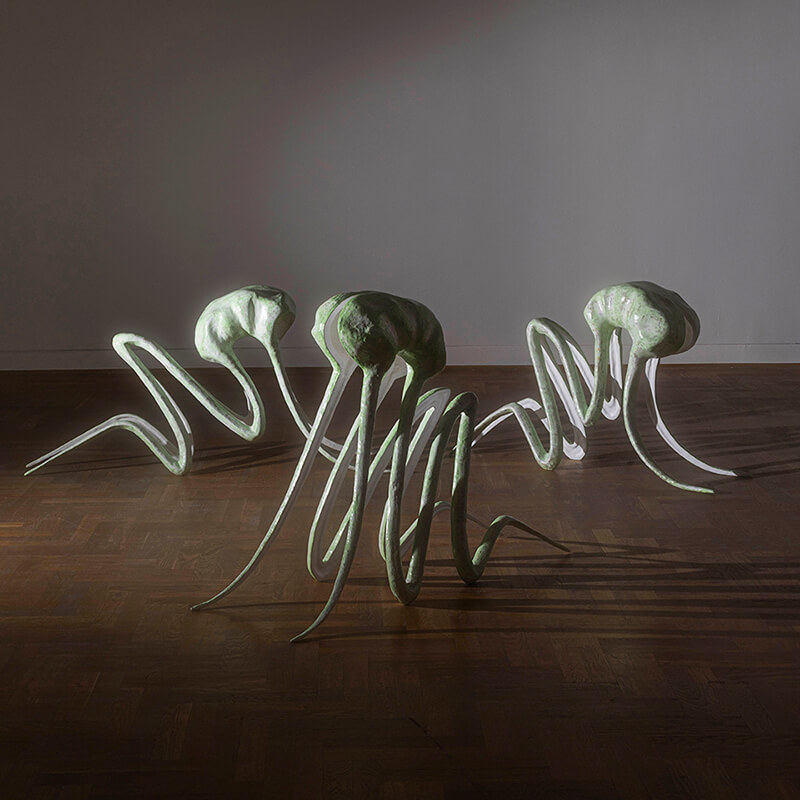
Inner Saboteur
Wood, plaster, resin, paint, varnish
Variable dimensions
2022
Photo credit: Filip Preis
JONAS LIVERÖD
Visual Arts
Sweden
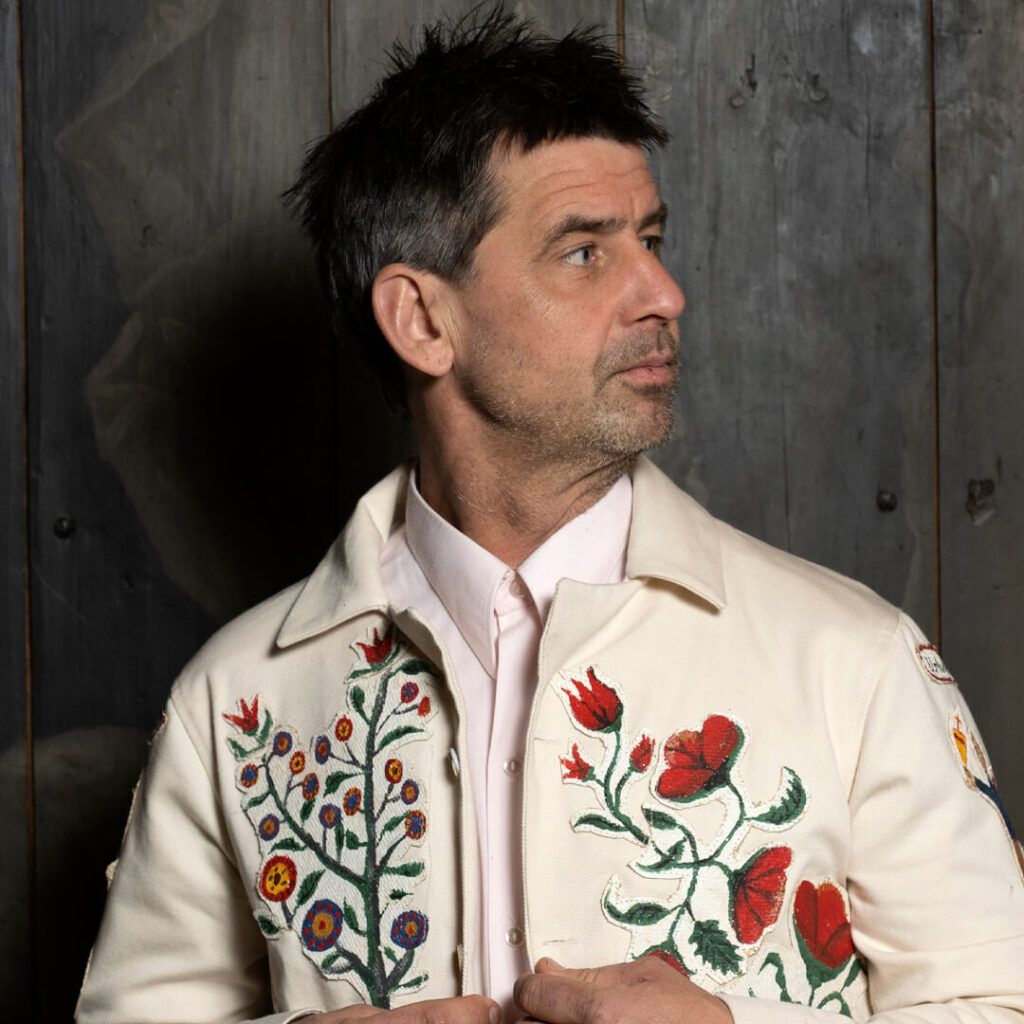
Jonas Liveröd is a Swedish artist, curator, and collector. His practice moves freely between sculpture, text, collections, lectures, and clothing. Working in the intersection of cultural history and visual arts, he uses a “collage approach” to collect, curate, archive, combine, and compile ideas, texts, situations, stories, objects, and images.
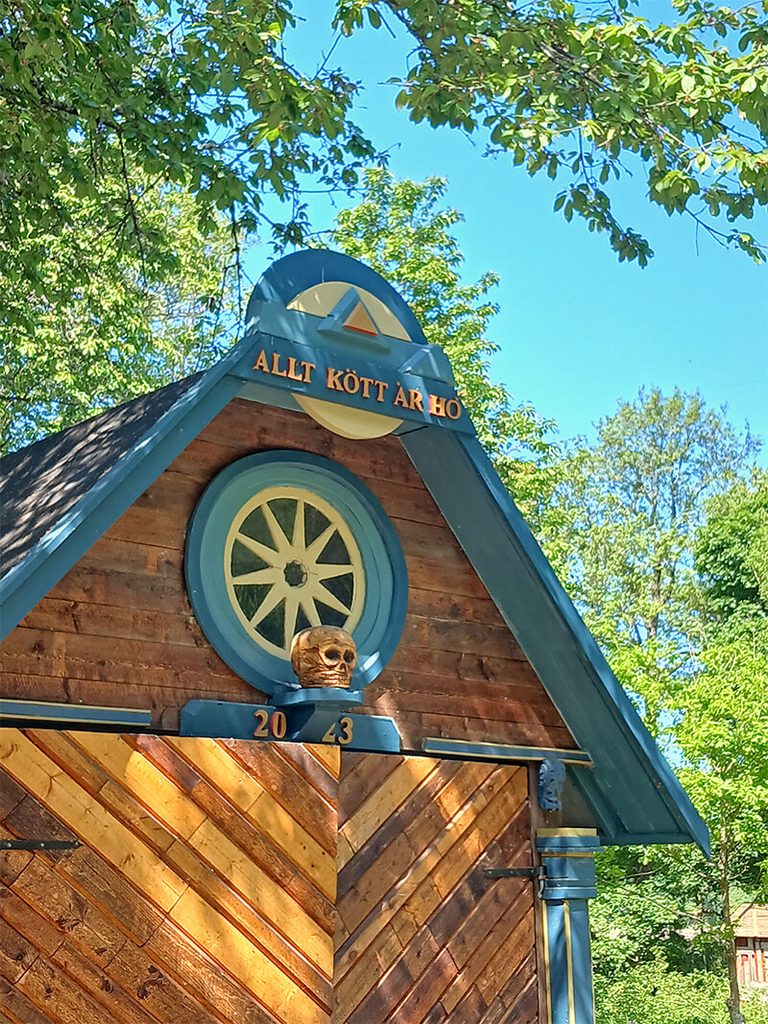
Current projects include a research project on historic graffiti, a mechanical miniature model of Dante’s Inferno, a permanent public artwork in the form of a sculptural pavilion, experimental camps and classes with students, a major museum show of his sculptures, as well as collecting materials on creativity and altered states of consciousness for his online archive, Otherworldly.
His home in Sweden also functions as an eclectic cultural hub that hosts studios, a public library, events, and residencies. It also hosts two museums: the Liveröd Wunderkammer, a museum dedicated to the wondrous, and the Vanitas Pavilion, a lively museum on death and funeral culture.
Jonas regularly collaborates with art institutions in Sweden and abroad, most recently with a major exhibition at the Röhska Museum in Gothenburg. Liveröd’s latest book, Grand Assembly: An Encyclopedic Inventory, is an artistic encyclopedia.
In Bahia, he intends to explore several topics, amongst which are the lambe-lambe theatre (which relates to his work with miniatures and puppetry) and the history of psychiatry and art in Brazil.
LAILA GARRONI
Literature
Brazil
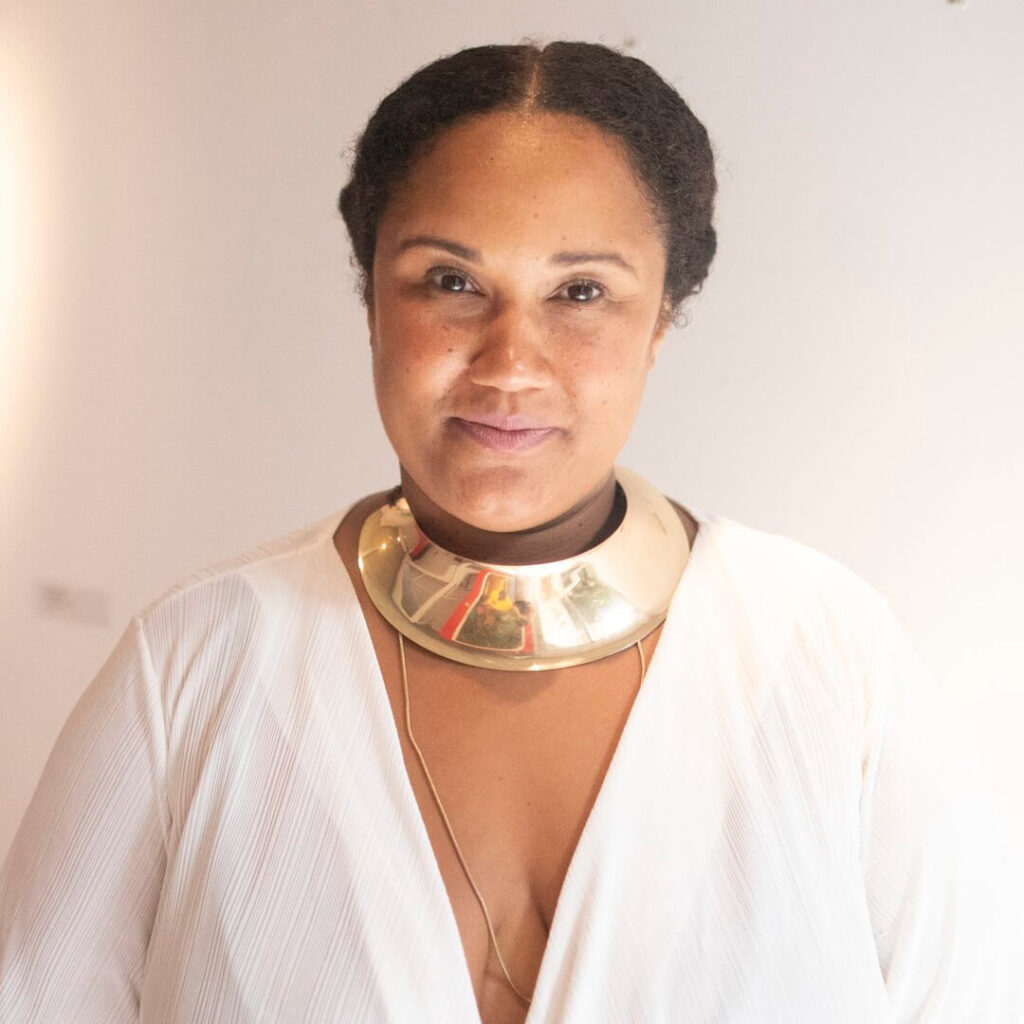
Laila Garroni is a multidisciplinary artist with degrees in Journalism from PUC-RS and Theater from the Stella Adler Studio in New York. She works across audiovisual media, literature, and theater. In 2024, she received the Carolina Maria de Jesus Prize for Literature. As an actress, screenwriter, and creator, she has produced films, theater, and audiovisual projects in Brazil and New York, including Filhos da Liberdade (Amazon Prime) and Calidris, a feature film selected for the Munich Film Festival.
As a Black woman in the diaspora, born in southern Brazil and constantly on the move, Laila draws on experiences of discomfort and inspiration, which she explores through art by celebrating or demystifying them. Black affect and the legacy of African cosmology inform these investigations. Her practice involves creating scenarios that make visible and accessible what she describes as the fertile paths she creates for herself.
During her residency, Laila plans to complete her book Quando o Furacão te Leva para Casa (When the Hurricane Takes You Home), focusing on its final chapter. She will explore different literary genres in search of a form that complements the first part of the book, which recounts her journey of self-discovery, exile, and healing following a nervous breakdown during the COVID-19 pandemic and the protests over the death of George Floyd in New York City, where she was living at the time.
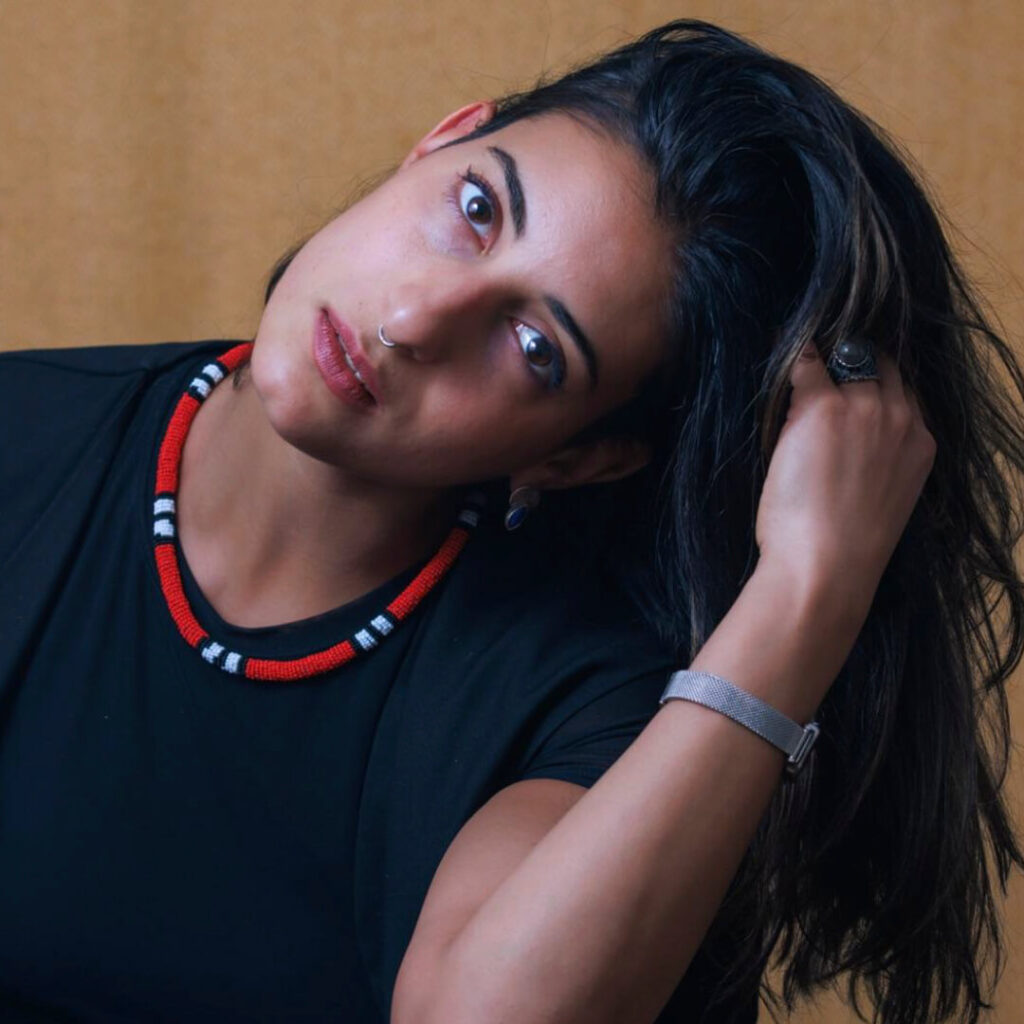
MARIANNA SFYRIDI
Multidisciplinary Arts
Greece > UK
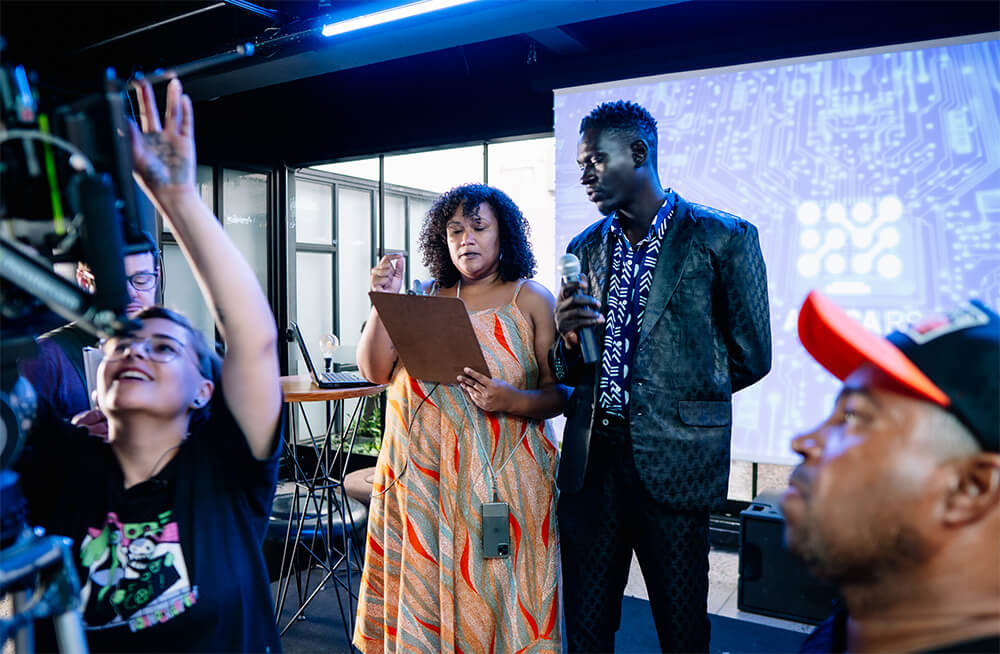
Marianna Sfyridi is a Greek dancer and choreographer. With a background in Pharmacy and physical theater, her work spans dance, performance, and capoeira. Marianna’s work often takes place in nontraditional spaces and is informed by an anticolonial and nonhierarchical approach.
Originally from a Greek island centered around a fishing community, she studied dance in Greece, Brazil, and the United Kingdom, including at The Place in London. Her doctoral research at the University of the Arts London examines how the microcosm—and, in particular, soil bacteria—can act as spatial choreographers of human beings. That research includes fieldwork in Brazil focused on dance anthropology and the relationship between Greek folk dance and Capoeira. She frequently teaches and choreographs inclusive groups, addressing themes of migration, ecology, and collective knowledge systems.
Marianna’s focus on migration, belonging, and collective memory culminated in NOSTOS: Migrating Bodies, Migrating Dances, a short documentary and performance-based research project developed through fieldwork across Europe and Brazil. The project examined how movement practices travel, adapt, and persist across cultures.
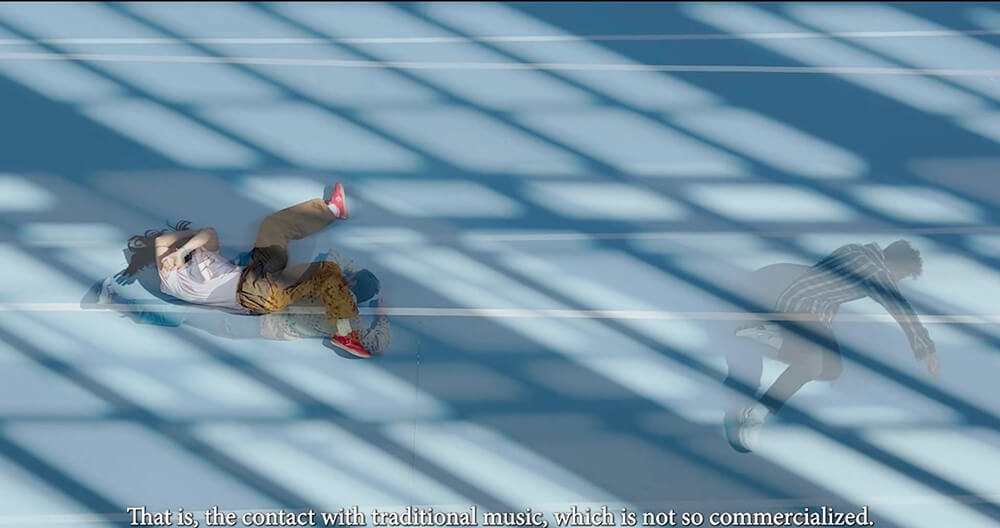
short film still, 2023,
Photo credit: Marianna Sfyridi
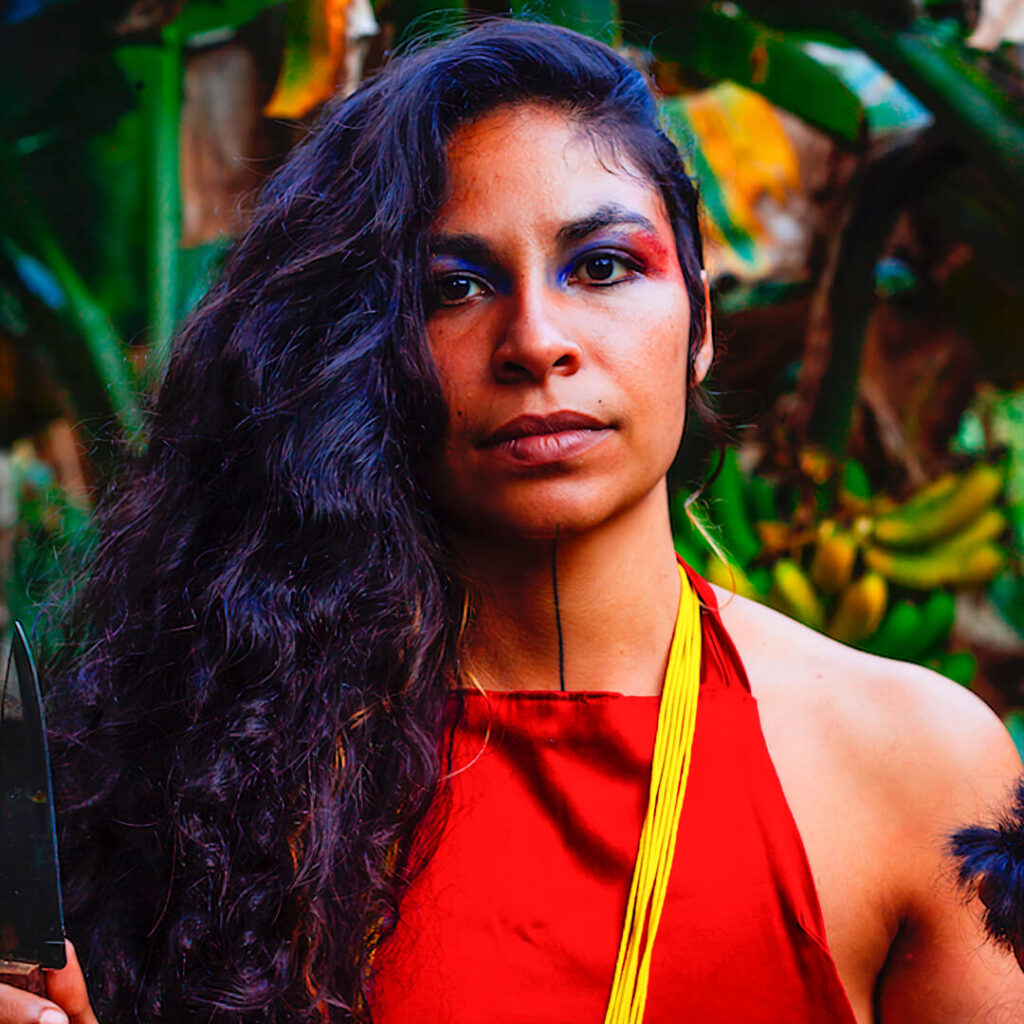
RAIZ ROZADOS
Multidisciplinary Arts
Brazil
In partnership with SECULT
Raiz Rozados is a visual artist, filmmaker, and Indigenous artist involved in the Pindorama indigenous reclamation movement. She works across film, photography, painting, ceramics, and ritual performance. In film, Raiz directs hybrid works that combine documentary, fiction, video art, and ritual. In painting, she conducts ongoing research into geopaints and handmade watercolors, guided by a poetic approach to depicting people and territory using earth.
Bringing together Indigenous, Afro-diasporic, and mestizo ancestral technologies, Raiz Rozados’ work connects memory, territory, and popular struggles. She aims to use art as a form of provocation, a path toward healing, and a vehicle for visionary fiction. Raiz has been a Fellow at Afrotonizar, Tipiti, and Mulher Território residencies, and her work has been shown in festivals including Panorama, Zózimo Bulbul, and Guarnicê. She is also a member of the multidisciplinary nomadic platform Balsa and collaborates with Ateliê Mukambu.
At Sacatar, she seeks to renew connections between art, territory, and ancestry in Kirimurê (the name given by the Tupinambá people to the Bay of All Saints). Drawing from historical, cosmogonic, and narrative research with the Tupinambá, she plans to collect pigments, create ceramics, and produce geopaints for an installation that recreates a map of Kirimurê from a countercolonial perspective. To do so, she hopes to draw from memories of quilombos and settlements, challenging capitalist conceptions of landscape, and creating a living, continually evolving cartography.
In partnership with
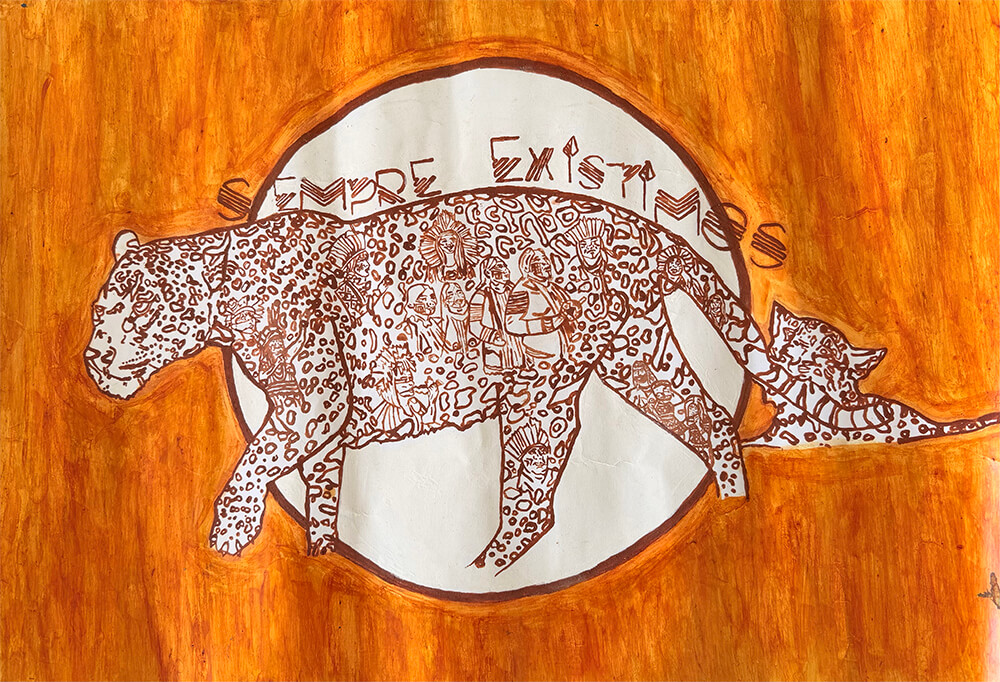
Raiz Rozados
Painting with clay and annatto on 300 mg Canson paper
42 x 59.4 cm
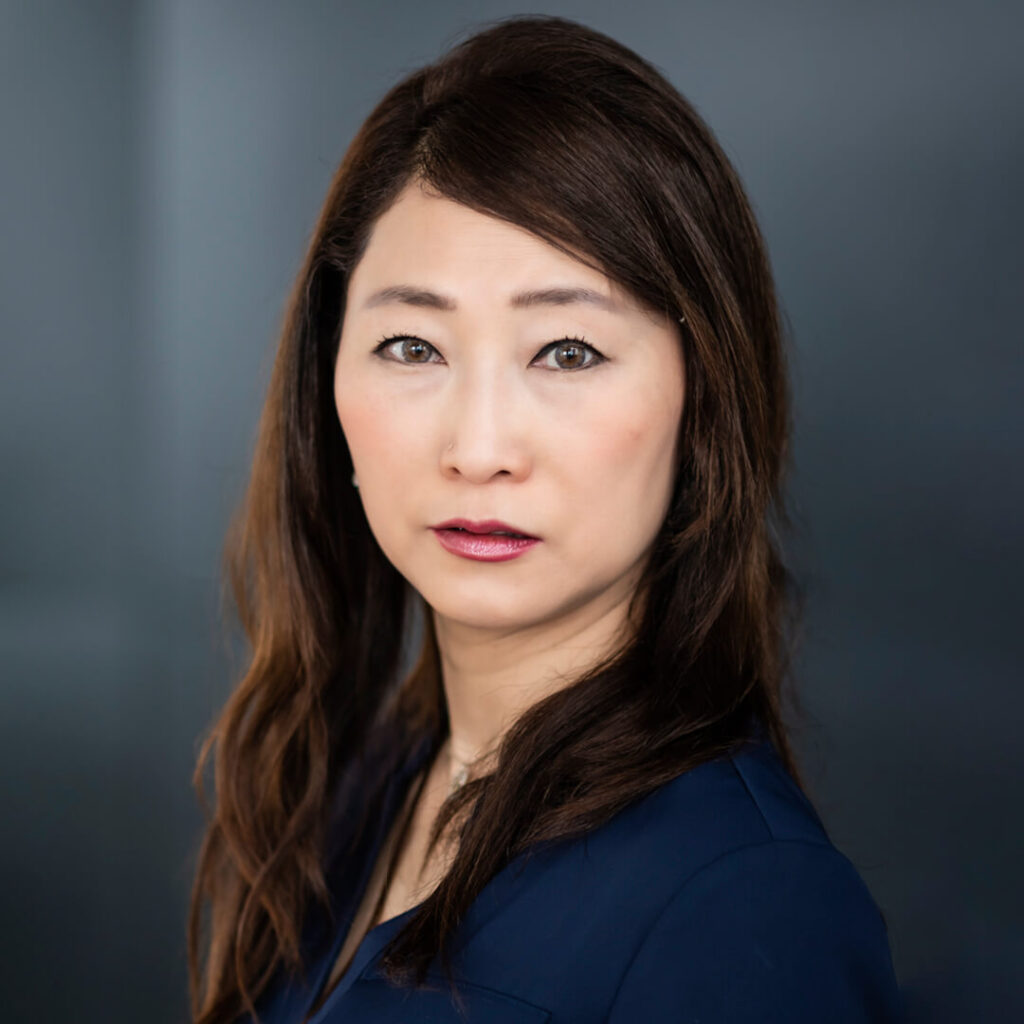
SEUNG-WON OH
Music
South Korea > Netherlands
In partnership with MacDowell
Seung-Won Oh is a Korean-born, Netherlands-based composer whose music combines the rigor and imagination of contemporary art music with ritual and theatrical dimensions. Educated in South Korea, the United States, and the Netherlands, she has developed an artistic practice that moves between sonic, theatrical, and ritual forms of expression, balancing intellectual inquiry with visceral expressivity. Recent highlights include Spiri III: Sacred Ritual, commissioned by the Royal Concertgebouw Orchestra, and YeonDo, a theatrical requiem commissioned by November Music that received the Kees van Baaren Prize.
Seung-Won explores ritual, resonance, and large-scale musical form through orchestral, chamber, and interdisciplinary performance. Informed by architectural thinking, spatial imagination, and the physical presence of performers, her work frequently integrates theatrical and ritual elements.
During her residency at Sacatar, she aims to develop an interdisciplinary percussion, dance, and theater work that explores the generative relationship between the movements of percussionists and the sounds produced by dancers. Bringing performers into a shared performance ecology, she hopes to examine how the physical actions of percussionists can become choreographic material, while sounds generated through dancers’ bodily gestures and contact with the floor feed into the musical fabric.
Seung-Won Oh is the first artist to arrive at Sacatar as part of the Sacatar-MacDowell partnership, which creates opportunities for former Fellows of each institution to undertake a residency at the other. More information about the Sacatar-MacDowell partnership here.
In partnership with
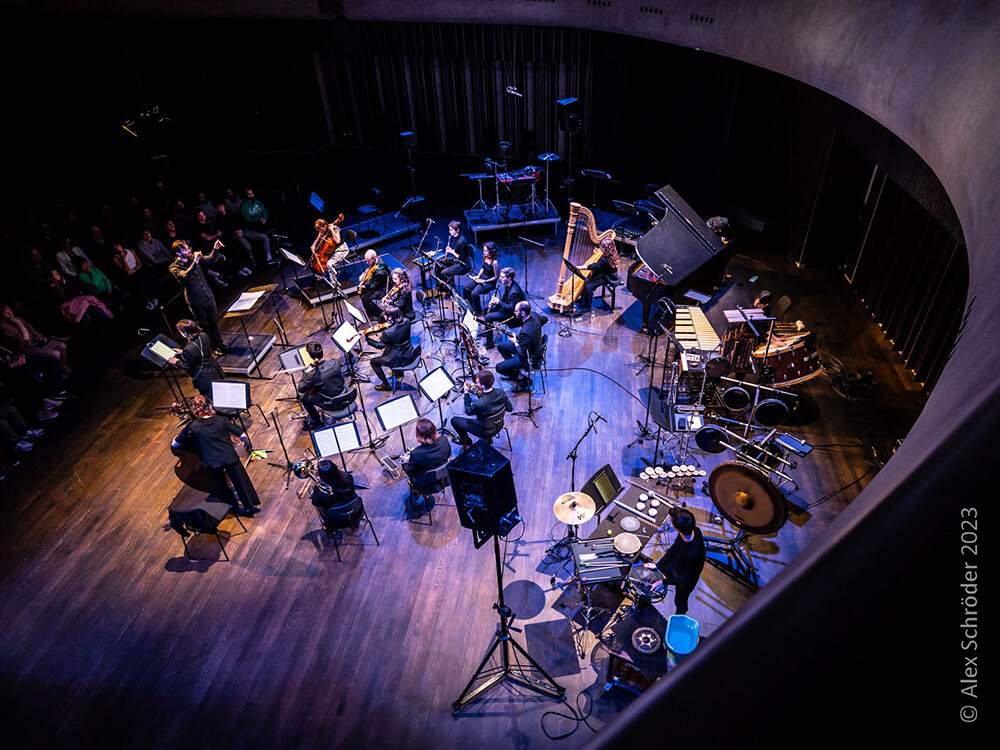
Photo Credit: Alex Schröder