
ABOUT

MISSION

Our mission is to support artists and creative individuals in tackling the world’s contemporary challenges. By providing time, space, and community in an immersive environment of cultural exchange, we foster experimentation over finished outcomes. We see the residency as a place of beginnings, where new ideas, collaborations, projects, and outlooks emerge. Sacatar welcomes — free of charge — creatives of all ages, backgrounds, disciplines, and nationalities. We believe that by bringing artists together in Bahia, we help spark new possibilities for the future.

WHAT WE DO

With support from the Sacatar Foundation, Instituto Sacatar hosts artists for two-month residencies.

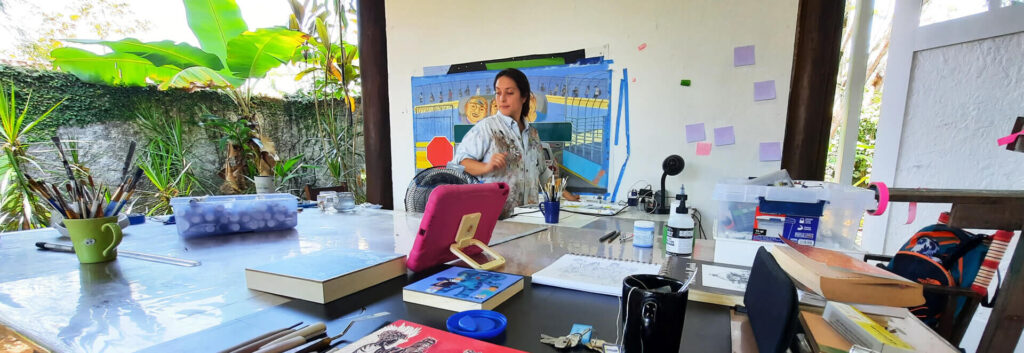
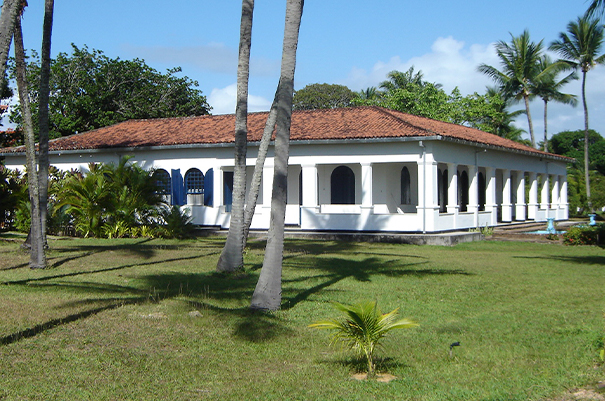
Creative individuals across all disciplines may apply for eight-week residency fellowships at Sacatar’s beachside estate on the island of Itaparica. These fellowships provide artists with open-ended time and space to develop their work while drawing inspiration from the rich history, art, and culture of Bahia, Brazil. Selected through a competitive process open to all, each Sacatar Fellow receives a private bedroom with an attached bath, a separate studio suited to their discipline, laundry and meal service, and logistical support throughout their stay. Sacatar hosts up to eight artists at a time in five annual sessions, welcoming between 35 and 40 artists per year.

The artists’ experiences at Sacatar reverberate around the world.

We assist artists who wish to engage with the vibrant local culture in any way that suits them. This can be as limited as cultural research, or it can be direct community engagement in a short-term or extensive manner. Those who do engage with local individuals and community organizations often have life-changing experiences that alter their practice. They leave Bahia empowered by the examples of the local culture; and the conversations and collaborations that begin in Bahia make their way across oceans and continents to inspire distant audiences.

OUR HISTORY

Sacatar: Transforming Lives, Promoting a Global Vision

Photo by Laurie Anderson

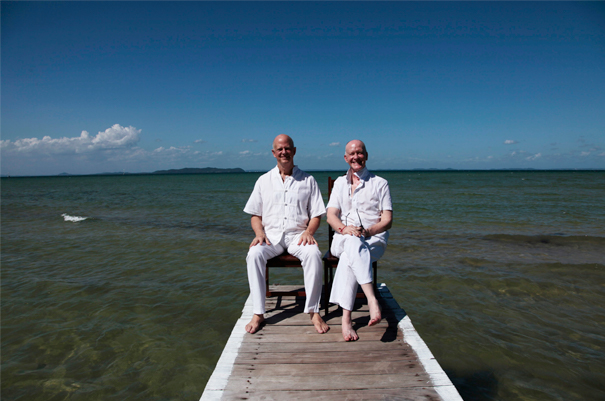
In 1998 Sacatar co-founders Mitch Loch and Taylor Van Horne conceived of establishing an artist residency program in Sacatar Canyon, high in the Sierra Nevada Mountains of California. Mitch and Taylor soon discovered that there were already over 100 residency programs across the United States – many of them located in equally extraordinary and inspiring locations – but that no formally structured residency programs were yet operating in South America. Mitch, an American media artist, teacher, and consultant, had extensive experience at artist residency programs and cross-cultural organizations around the world. Taylor, an American architect, had many years of experience living and working in Bahia and a deep connection to its culture and people. Taylor admired the resistant, fecund culture of Bahia, which fearlessly adopts global influences and fluidly reinterprets them through its own cultural expressions. He felt that Bahia had much to teach the rest of the world in this regard. Maintaining the name ‘Sacatar’ in homage to the organization’s Sierra Nevada beginnings. Mitch and Taylor decided to collaborate on the establishment of a residency program in Bahia. They believed that Sacatar would add greatly to the global community of artist residency programs and create unique opportunities for increased intercultural understanding through creative practice for artists from around the world.

Starting in 1999, they sought a location that was within easy access to Salvador, Bahia, but outside the hubbub of the city of three million. Their first inclination was to find a property on the Island of Itaparica across the Bay of All Saints from the city of Salvador. While they also looked elsewhere in the metropolitan area of Salvador, it was on the Island of Itaparica that they found the perfect estate for the arts residency program they envisioned.

In 2000, Mitch and Taylor created the Sacatar Foundation, a California 501(c)3 nonprofit corporation, with the explicit goal of establishing and funding the activities of the residency fellowship program in Brazil. They founded the Fundação Instituto Sacatar, a Brazilian nonprofit, in 2001. Sacatar hosted its first artists in September of that same year. Sacatar offers residency fellowships to creative individuals from countries around the world and has changed the lives of many of these artists and the communities in which they work.

History
of the Property

In 1950, a wealthy social reformer named Henriqueta Catharino built the main house as a vacation home and spiritual retreat for the Instituto Feminino, a Catholic girls’ school she had founded in Salvador years before. The Institute was a pioneering school, the first to prepare local girls for professional careers. The life-size statue of Santa Therezinha de Lysieux brought by the Instituto Feminino still reigns over the central courtyard.

In the 1980s, an American painter bought the property from the Instituto Feminino, and for many years ran it as a small exclusive hotel.

Following the purchase of the property in 2000, Sacatar received the first resident Fellows in September 2001. In 2002, Sacatar built a support building with a laundry room, pantry, a staff kitchen and employee bathrooms. In 2005 five small buildings were added, clustered around the coconut grove facing the ocean. These included an administration building, a wood-working shop, two studios with internal gardens and a raised studio with panoramic ocean views. In 2010, the dance and music studios were added. During the covid lockdown in 2020-21, Sacatar built four additional studios, and renovated a century-old house on site into four additional bedroom suites.

Acknowledging that international air travel contributes to rising levels of carbon dioxide in the atmosphere, we confront the conundrum that such international travel is also intrinsic to our purpose and mission. We address this by minimizing our footprint wherever we can. Sacatar is a low-tech and low-emissions setting. We depend largely on natural ventilation, and we source most materials locally. We believe that artists from many nations will significantly reduce their carbon footprint during their two months at Sacatar compared to their consumption had they stayed at home.

To further offset Sacatar’s carbon footprint, we planted over one hundred trees in 2019 to replicate a fragment of the original Atlantic Forest; and in 2022, we installed a solar array that generates most of the electricity Sacatar consumes. We continue to foster landscaping that increases habitat for the local monkeys, iguanas, birds, butterflies and native stingless bees; and we work closely with local governmental and nonprofit institutions to conserve, preserve, and restore the diversity of habitats the island of Itaparica provides.

THE BOARD OF THE INSTITUTO SACATAR

Meet the 2025 Instituto Sacatar Board Members

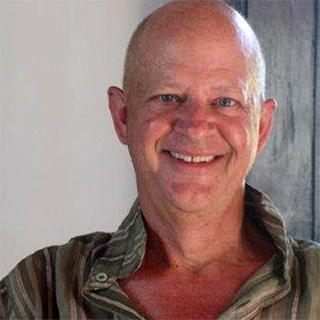
Taylor Van Horne

Architect and Co-Founder
France and Brazil
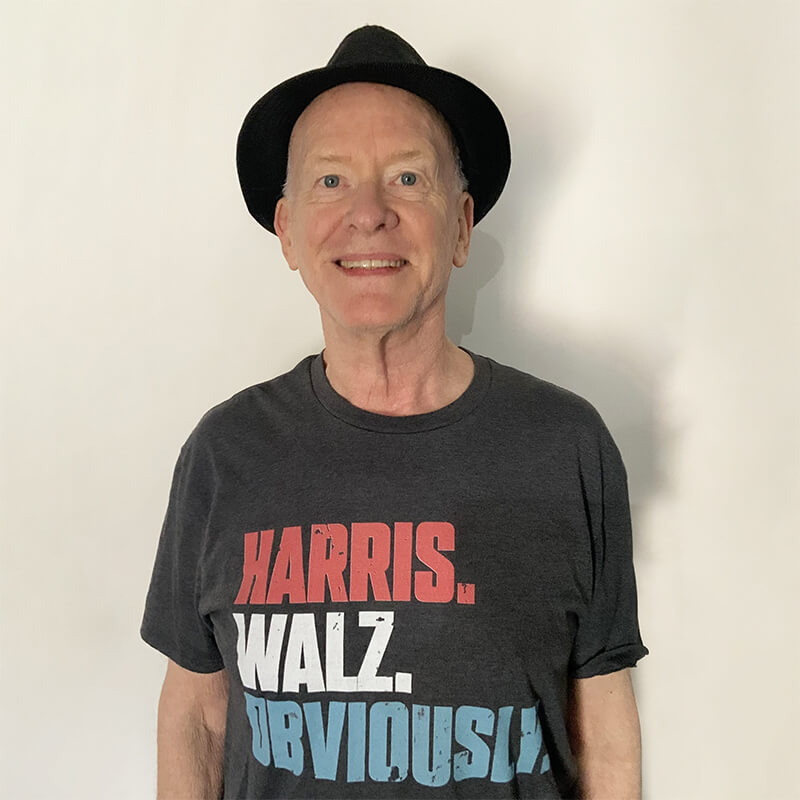
Mitch Loch

Independent Filmmaker and Co-Founder
France and Brazil
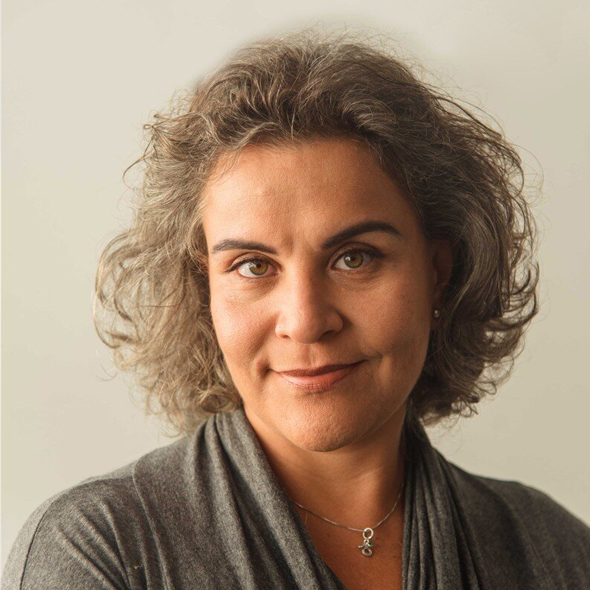
Graciela Selaimen

Executive Director, Instituto Toriba
Brazil
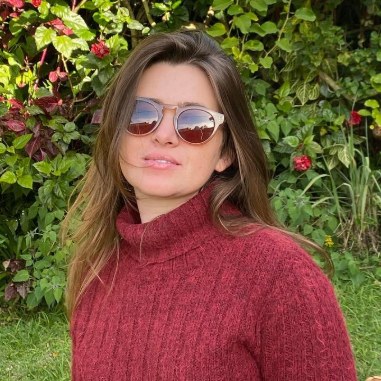
Isadora Flores

Cultural Manager and Teacher
Brazil
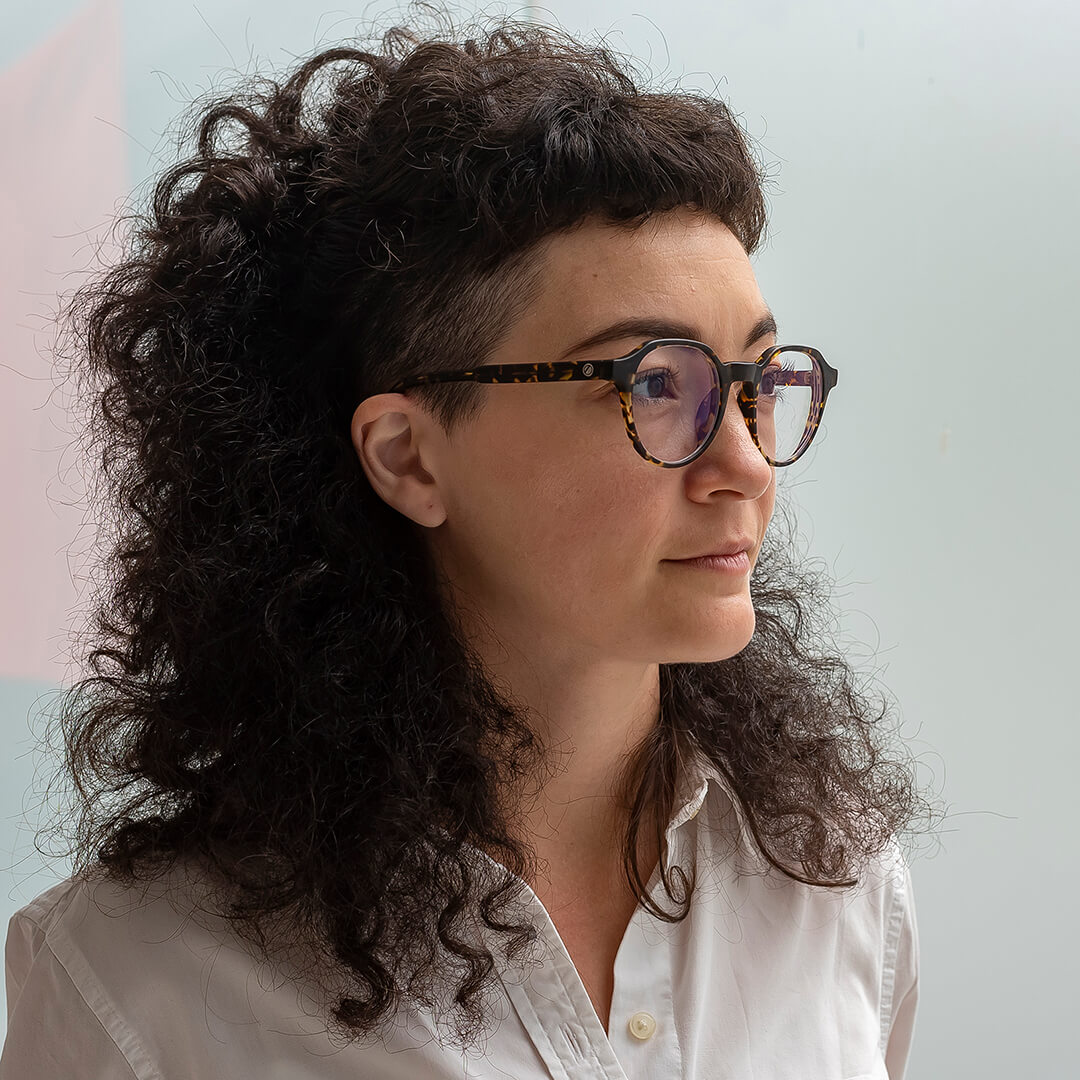
Ana Rocha

Curator, Researcher
and Project Manager
Brazil
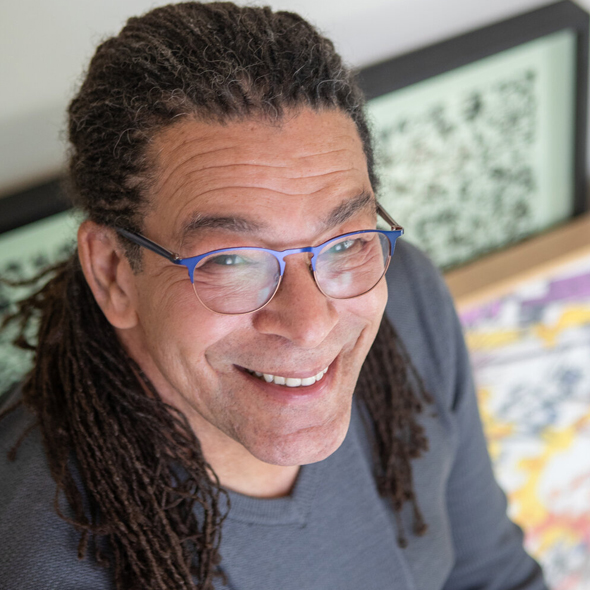
Mark Greenfield

Visual Artist
USA
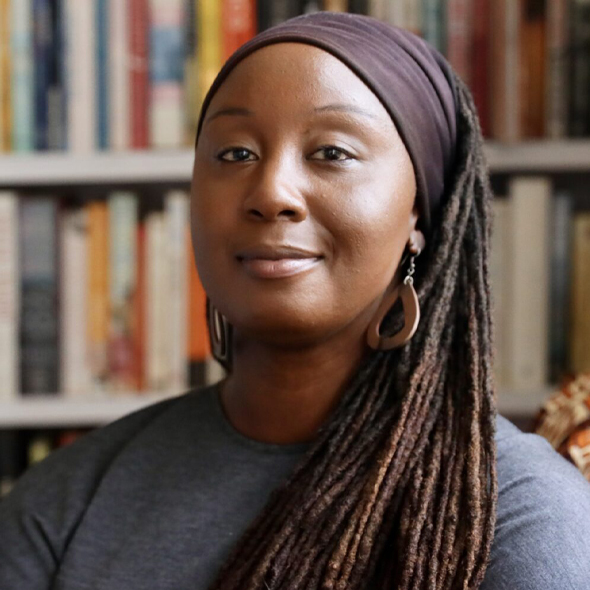
Sylvia Arthur

Writer and Founder of LOATAD
UK and Ghana

Oluremi C. Onabanjo

Curator
USA and Nigeria
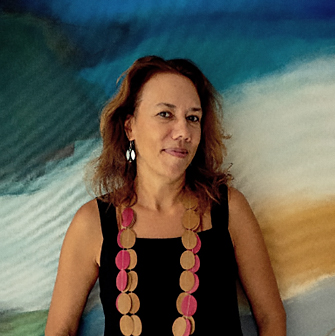
Lia Krucken

Visual Artist, Curator, and Professor
Brazil
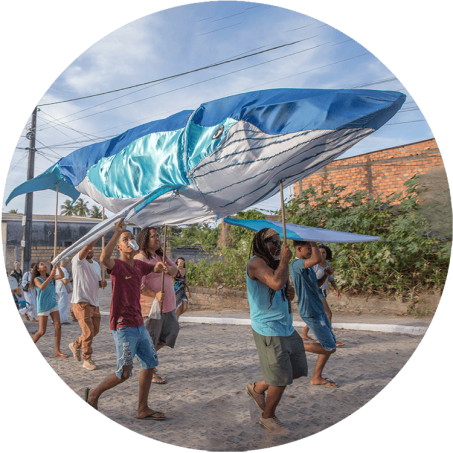
THE SACATAR TEAM

Felix Toro, Executive Director

Augusto Albuquerque, Program Manager

Dete Vieira, Meals

Lavínia Santos, Housekeeping

Raimundo da Silva, Rodrigo Benitez and José Carlos Conceição da Silva, Maintenance

Anderson Gomes, Antônio Barbosa, Reginaldo Roque and Francisco Galvão, Security

Marcelo Thomaz, Communication & Outreach

In addition to the individuals listed above, the photo also features Sacatar founders Taylor Van Horne and Mitch Loch, temporary collaborator Marcio Reis, and Sacatar’s dog, Xana.

EN | PT