
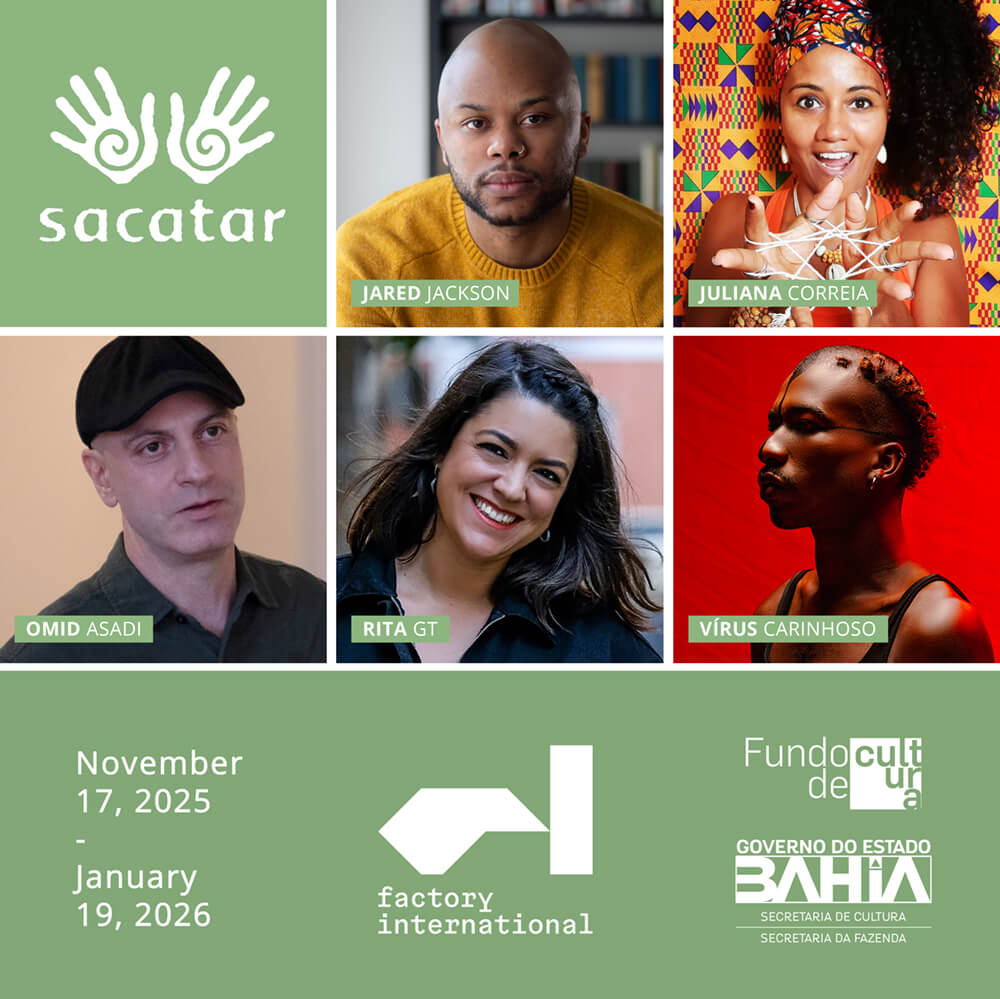
Sacatar’s 5th residency session in 2025 brings writers, performance artists, musicians, and visual artists from four different countries to Itaparica.
Authors Jared Jackson (USA) and Juliana Correia (Brazil) are both working on ongoing novels. Jackson is looking at the complexities of race in elite institutions, while Correia is researching the intersection between street food, Blackness, and religious traditions. Rita GT (Portugal) is using visual arts and performance to investigate historical parallels between women’s groups in Portugal and Bahia. This group also includes the ninth Bahian artist to come to Sacatar with support from the Secretary of Culture of Bahia (SECULT), Vírus Carinhoso (Brazil), who will be working on his next album. The arrival of Omid Asadi (Iran/UK), who plans to apply his place-based methodology to explore connections between Bahia and Iran, marks the beginning of an exciting partnership between Sacatar and Factory International (Manchester, UK).
These artists arrive at Sacatar on November 17, 2025, and stay until January 19, 2026.
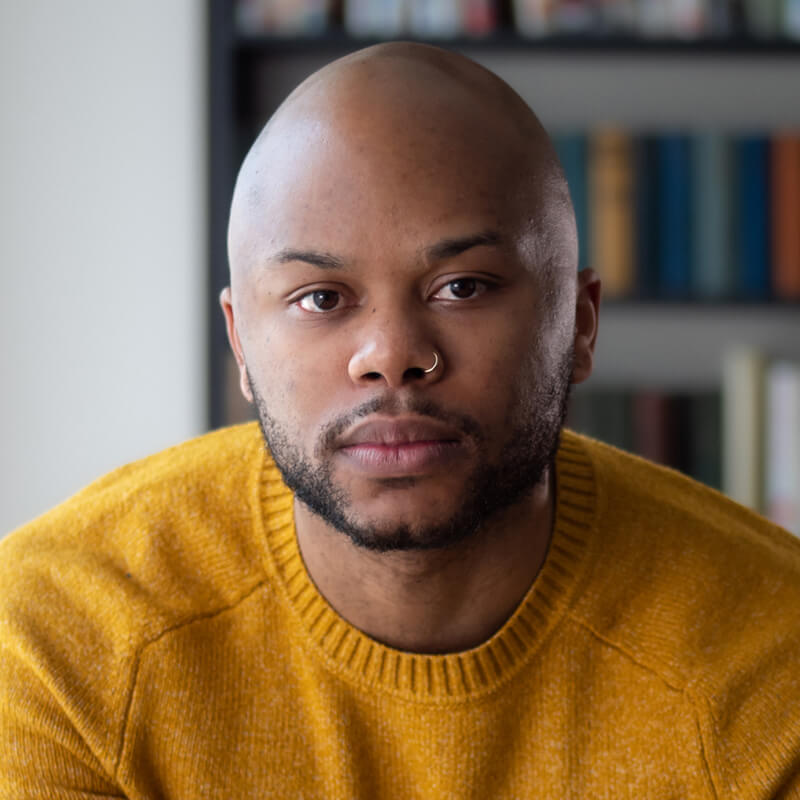
Jared Jackson
Literature
USA
Jared Jackson is a fiction writer from Connecticut, USA. He has received numerous residencies, fellowships, and grants from prestigious institutions such as MacDowell, Yaddo, VCCA, the Center for Fiction, Baldwin for the Arts, and Loghaven. His work has appeared in leading literary magazines, including The Yale Review, Guernica, Kenyon Review, and n+1, and has been featured in The Best American Short Stories. Jackson holds an MFA in fiction from Columbia University and currently lives in New York.
His artistic practice centers on empathy, precision, and the transformative power of storytelling. Through his work, he seeks to imagine alternative realities, question assumptions, and amplify voices that are often marginalized.
During his residency at Instituto Sacatar, Jackson will work on New Boy, a polyphonic novel that examines the life—and mysterious death—of a Black first-year student at a New England boarding school. The novel explores themes of race, class, and the emotional cost of navigating elite institutions.
Jackson was selected for Sacatar for his remarkable literary style and for the potential his time in Bahia holds to further deepen the themes he is exploring in his new book.

Juliana Correia
Literature
Brazil
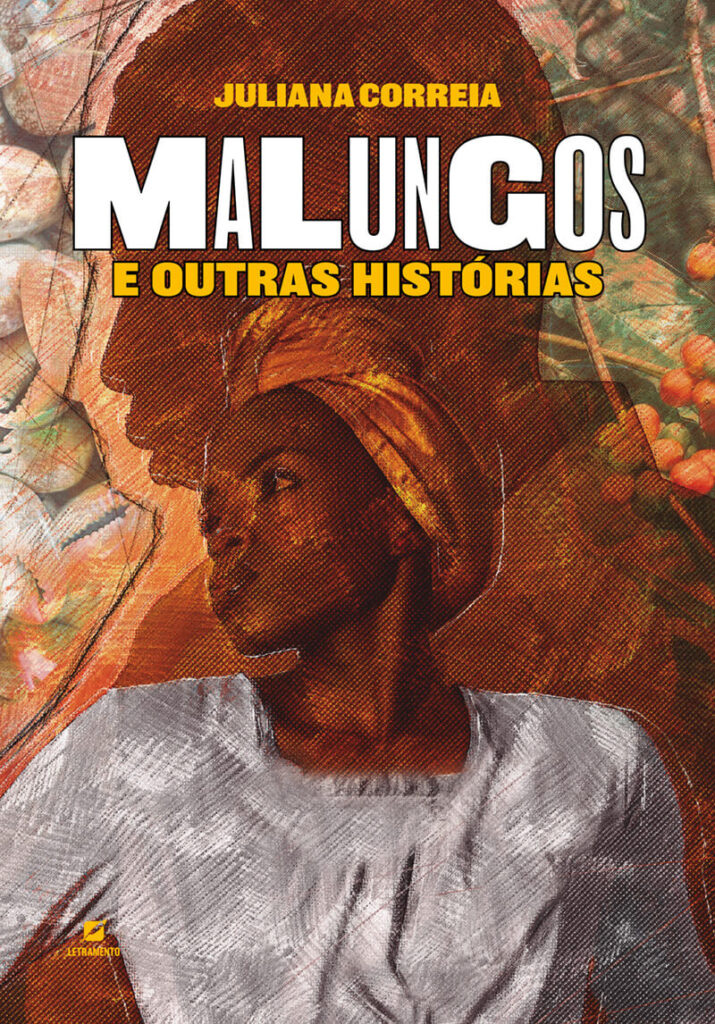
Juliana Correia is a writer and storyteller from the suburbs of Rio de Janeiro, Brazil. A journalist with a master’s degree in Education (UFRRJ) and a postgraduate degree in the Teaching of African and Afro-Brazilian Histories and Cultures (IFRJ), she is the author of Malungos e outras histórias (Letramento, 2025), awarded by Brazil’s Ministry of Culture with the Carolina Maria de Jesus Prize for Literature Produced by Women. She’s also the author of the children’s books Dia de Praia (Leiturinha, 2024), Akua’ba (Oríkì, 2022), and Futebol e Assombração (Aziza Editora, 2021). Mother of Francisco, she has practiced the craft of Black storytelling since 2013.
A researcher of Black arts with lived experience in African diasporic cultural forms such as samba, 90s funk, capoeira, and jongo, she draws on oral tradition and Black musicality as inspiration for her writing.
During her residency at Instituto Sacatar, Juliana Correia will work on her book-in-progress, Tabuleiro de Olinda. To do so, she intends to deepen her research on street foods, Black women’s associations in 19th-century Bahia, and diverse religious practices, through interviews and consultations of institutional archives.
Juliana was selected for Sacatar because of the quality of her writing, the connections her trajectory establishes across different forms of word-based arts, and the relevance of her ongoing work to the cultural landscape of Salvador and Bahia.
Omid Asadi
Visual Arts
Iran > UK
In partnership with FACTORY INTERNATIONAL
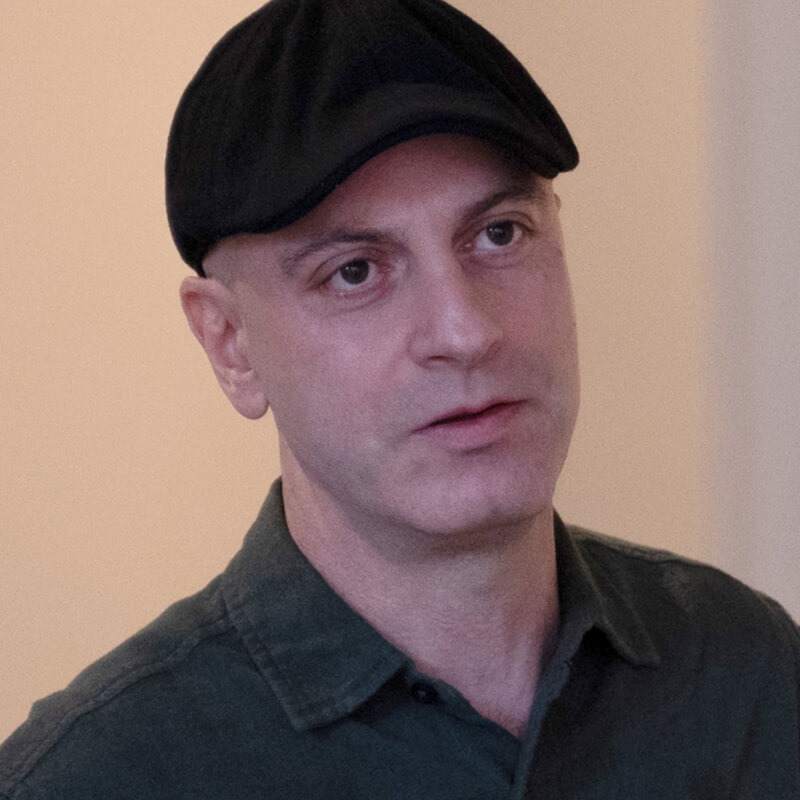
Omid Asadi is a British-Iranian multidisciplinary artist whose work bridges personal history with collective memory. After excelling in boxing and studying engineering, he immigrated to the UK in 2007, where he discovered his artistic path. He earned an MA in Fine Art with Distinction from the Manchester School of Art and has exhibited nationally and internationally.
His practice spans video, sculpture, installation, and performance, often examining the tensions between materials, memories, and meanings. Asadi frequently engages with subjects such as migration, identity, and the environment.
During his residency at Sacatar, Asadi plans to let the island of Itaparica guide his choice of medium (whether video, installation, or performance) by engaging deeply with its landscapes, histories, and atmospheres. His project will investigate places that no longer exist physically but persist through memory and collective resilience.
Omid’s residency marks the beginning of the partnership between Sacatar and Factory International (Manchester, UK). He was selected for this opportunity due to the potential that his methodology and artistic approach have to reveal previously unexplored connections between his hometown of Abadan, Iran, and Bahia—connections shaped by shared echoes of displacement, colonization, and, as the artist describes it, “joy under pressure.”
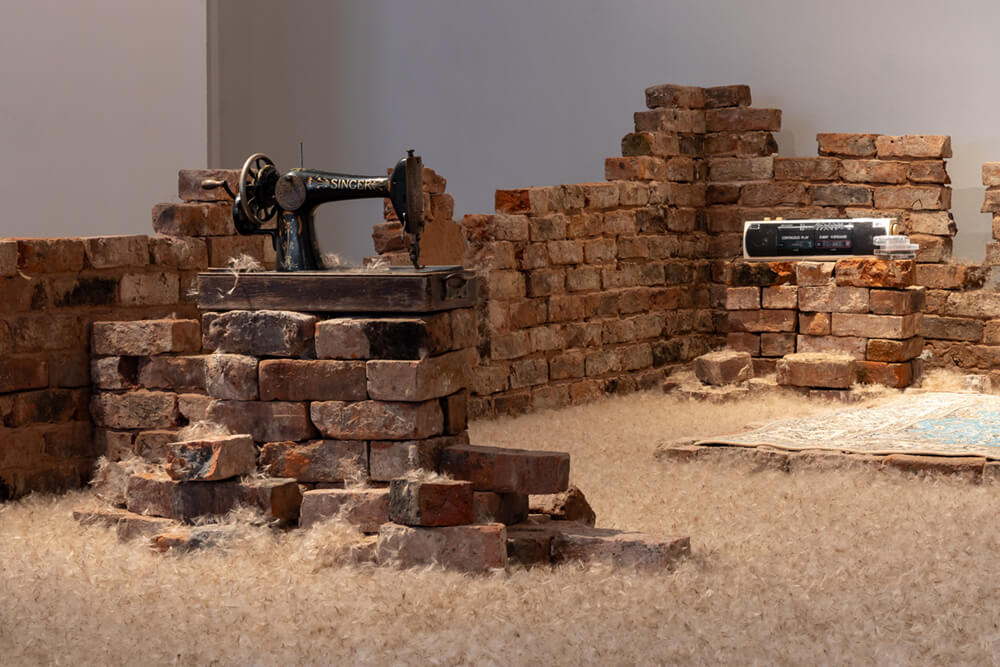
Photo by Jules Lister
Castlefield Gallery

Rita GT
Visual Arts & Performance
Portugal
Rita Guedes Tavares is a Portuguese artist whose work addresses themes of memory, identity, and Universal Human Rights. Her work has been exhibited internationally, and her practice has been shaped by experiences living in diverse cultural contexts, including Viana do Castelo (Portugal), Luanda (Angola), and New York (United States).
In addition to her individual work, Rita GT collaborates actively with various groups and initiatives. She works with As Cantadeiras do Vale do Neiva, a traditional singing collective; co-founded E-studio Luanda, an experimental art platform; and participates in Kitanda, a project that combines gastronomy with contemporary artistic practices.
Her artistic approach combines performance, installation, sculpture, video, and collaborative processes. She explores historical and cultural narratives, focusing on knowledge passed down through generations, especially by women.
During her residency at Sacatar, Rita GT intends to deepen her research project, O Círculo das Contas, which investigates historical connections between the metalwork tradition filigrana minhota and the Bahian jewelry style known as jóias de crioula.
Rita GT was selected for Sacatar due to the relevance of her ongoing research and the consistently high quality of her performance and multidisciplinary work.
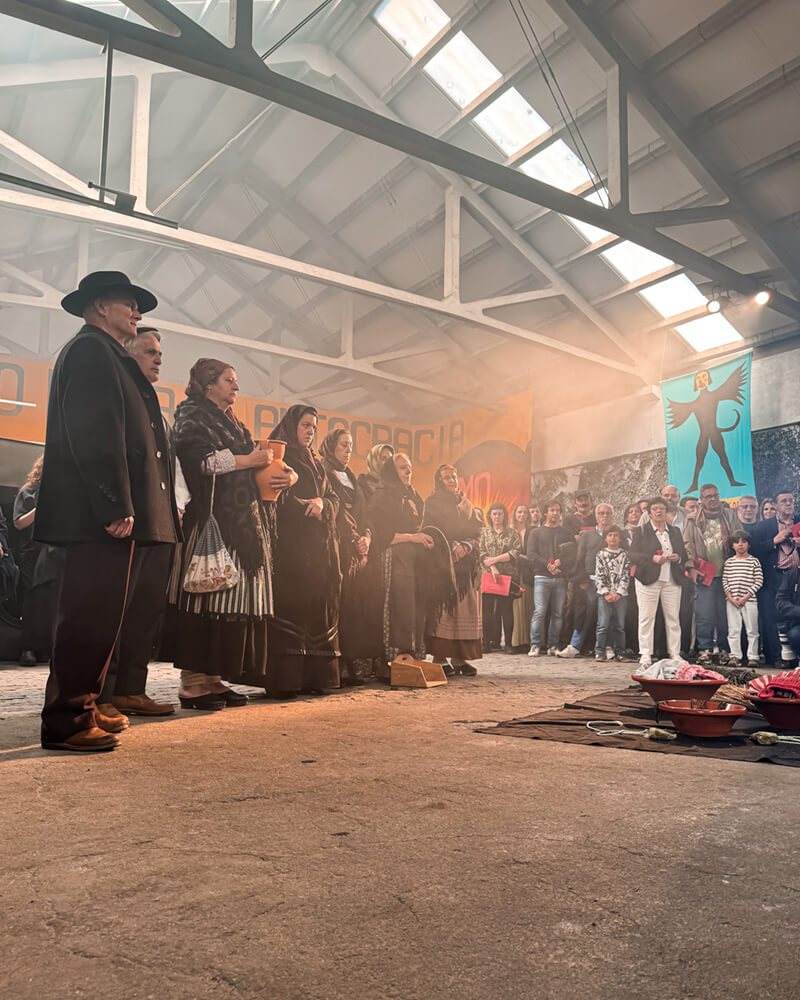
Performance
Photo by Adriana Couto
Vírus Carinhoso
Performance
Brazil
In partnership with SECULT
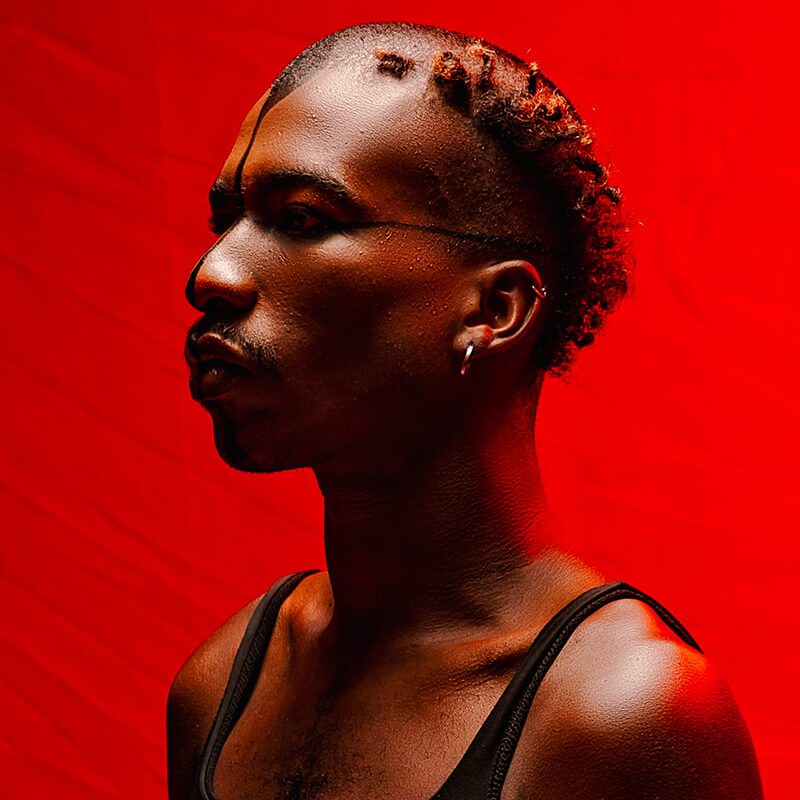
Virus is a multidisciplinary artist from Salvador, Bahia. While his practice is rooted in music, it also extends into poetry, performance, and the visual arts. Engaging with Afro-diasporic identity in dialogue with contemporary urban cultures, he recently completed a tour of his show Sankofa and released a short film of the same name.
Virus’s work is driven by processes that engage with memory, spirituality, and resistance, using symbols, oral traditions, and urban graffiti as poetic and sonic devices.
During his residency at the Instituto Sacatar, Virus plans to deepen his research into Adinkra symbolism and its relationship with the corporeality of the Letrado Baiano. This research will serve as the conceptual foundation for his upcoming album, Karkará.
A native of Salvador, Virus is the ninth artist to come to Sacatar with the support of the Secretary of Culture of the State of Bahia, through the Apoio a Ações Continuadas do Fundo de Cultura da Secretaria de Cultura do Estado da Bahia. His application was selected by an interdisciplinary jury, who recognized the strength of his work and its potential for expansion in a residency setting.

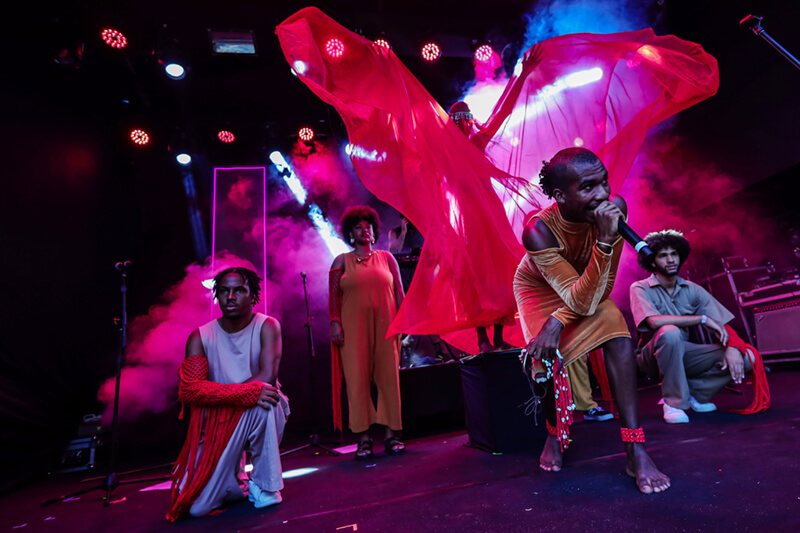
Photo by Rafael Passos